

Avoiding Common Food Truck Health Code Violations
Running a food truck takes more than great recipes and a busy service window. To stay open and profitable, your mobile kitchen also needs to meet strict food truck health code requirements.
Even well-run food trucks can get hit with violations during routine inspections. Issues like improper food storage, poor sanitation, or inadequate food truck ventilation can lead to warnings, fines, or temporary closures. Here’s what you need to know, straight from the experts at HoodMart.
Why Food Truck Health Code Compliance Matters
Health inspections are designed to protect customers and ensure safe food handling. For food truck owners, failing an inspection can mean lost revenue, damaged reputation, and downtime for your business. Common violations often involve:
- Improper food storage
- Poor employee hygiene practices
- Incorrect time and temperature controls
- Inadequate kitchen sanitation
- Cross-contamination risks
- Improper food truck vent hood or ventilation systems
Understanding these risks helps you stay prepared and inspection-ready.
1. Food Storage Mistakes
Improper food storage is one of the most common food truck health code violations. Food that is not actively being prepared must be stored securely to prevent contamination and bacterial growth.
Common storage violations include:
- Improper refrigeration order: Raw meats like chicken should never be stored above other food products.
- Missing or incorrect labels: All stored food must include labels with preparation or use-by dates.
- Incorrect containers: Food must be stored in commercial-grade containers rather than residential storage containers.
- Food stored on the floor: Food containers should always be stored on shelving, never directly on the floor.
Simple organizational practices can help prevent these issues.
2. Personal Hygiene Violations
Personal hygiene is another frequent issue cited during inspections. Employees working in food trucks must follow strict hygiene protocols to prevent contamination. Common violations include:
- Improper hand washing: Employees must wash hands with warm water and soap for at least 20 seconds.
- Open food or beverages: Employee drinks must be stored in designated areas with lids.
- Improper jewelry: Food handlers should not wear bracelets, watches, or accessories while preparing food.
- Missing hair restraints: Hairnets or caps are typically required during food preparation.
Maintaining strict hygiene standards protects both customers and staff.
3. Time and Temperature Control Issues
Temperature control is essential for preventing bacterial growth and foodborne illness. Health inspectors closely monitor whether food is stored, cooked, and reheated at proper temperatures. Common violations include:
- Incorrect food temperatures: Food must be cooked and reheated to approved safe temperatures.
- Improper thawing methods: Frozen foods should be thawed in refrigerators, cold water, or microwaves; not left at room temperature.
- Missing time or temperature labels: Foods displayed without temperature control must be properly labeled and monitored.
- Leaving food unattended: Ingredients removed from refrigeration must be used quickly or returned to cold storage.
Following strict temperature control practices helps prevent food safety violations.
4. Kitchen Sanitation Problems
Cleanliness plays a major role in passing health inspections. While visible surfaces are usually cleaned regularly, inspectors often look for sanitation issues in less obvious areas. Common sanitation trouble spots include:
- Underneath equipment: Grease, food debris, and dirt often accumulate beneath cooking equipment.
- Grease buildup: Exhaust hoods, grease traps, and filters should be cleaned regularly.
- Ice machines and beverage equipment: Ice bins and soda fountain nozzles can develop mold or buildup without proper cleaning.
Routine cleaning schedules and deep cleaning help maintain compliance.
5. Cross-Contamination Risks
Preventing cross-contamination is one of the most critical food safety responsibilities. Cross-contamination can occur during food preparation, cooking, storage, or service. To prevent contamination:
- Use separate cutting boards for raw meats and produce
- Sanitize prep stations after each use
- Use proper utensils and food-safe tools
- Wash hands thoroughly between handling different foods
Simple procedures can significantly reduce contamination risks.
Don’t Overlook Food Truck Vent Hood Requirements
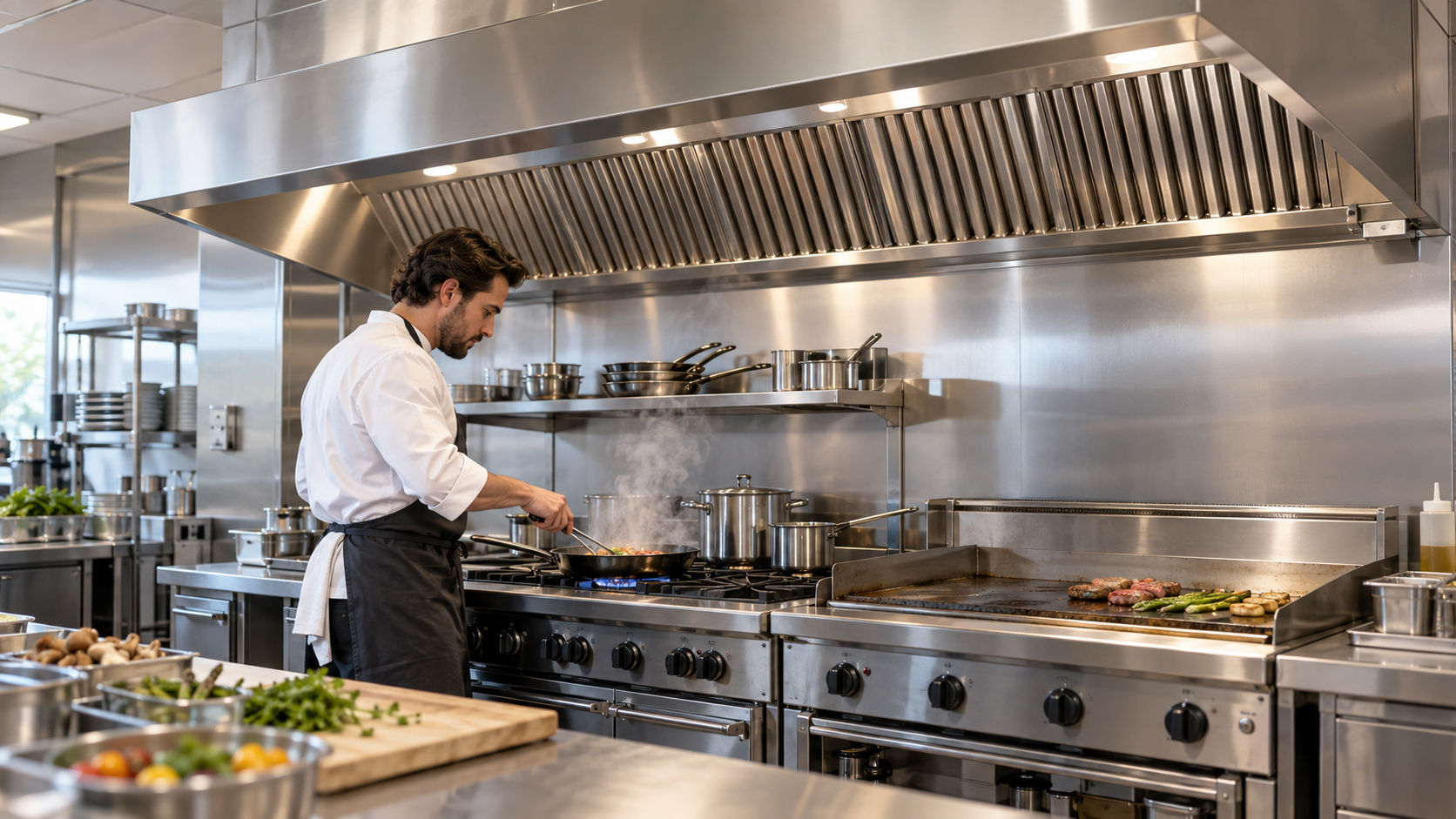
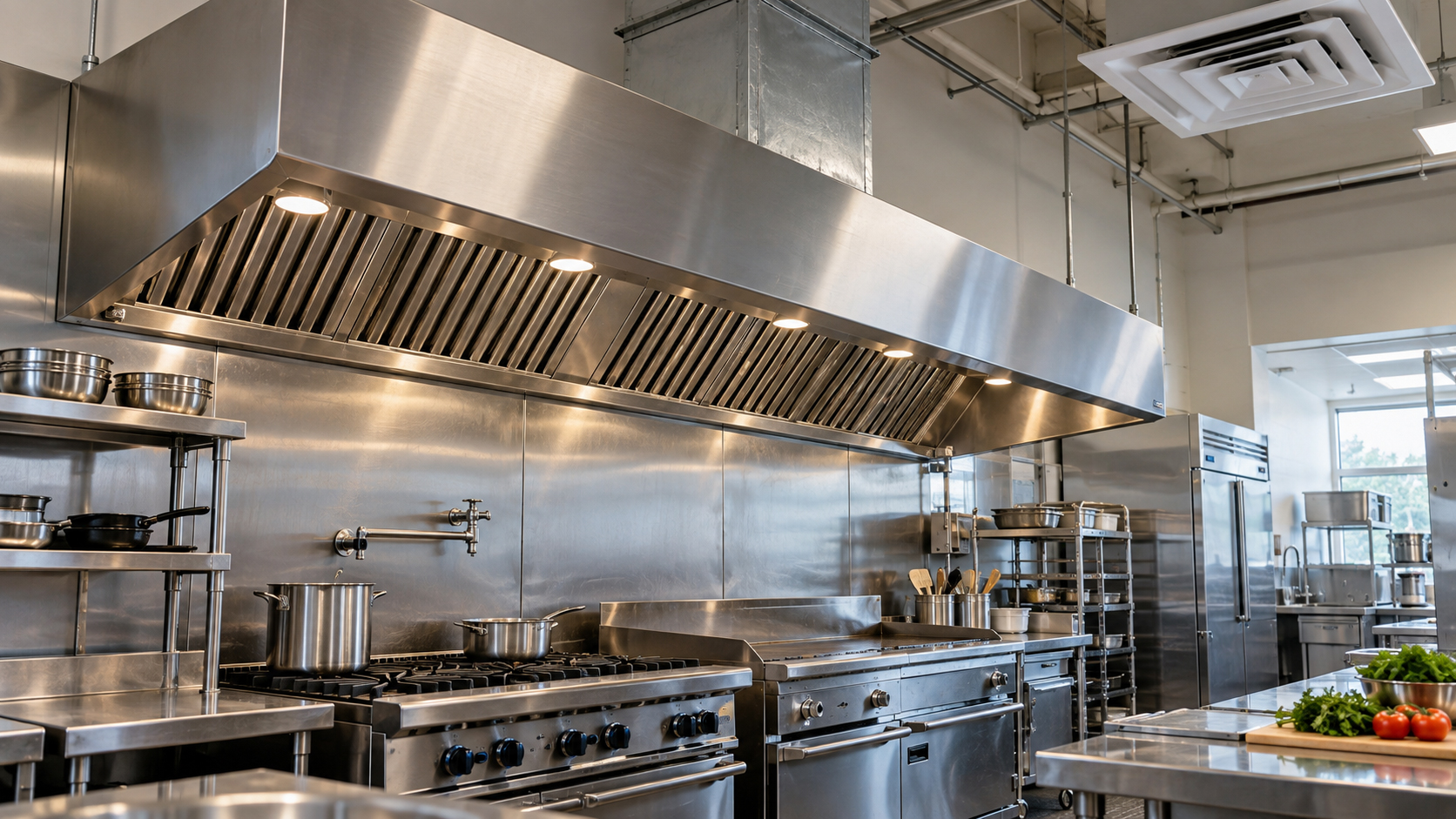
Proper food truck ventilation is another important factor in maintaining a safe and compliant kitchen. Most food trucks that cook with grease-producing equipment must install an exhaust hood for food truck cooking equipment. These systems help:
- Remove grease-laden vapors
- Improve indoor air quality
- Reduce fire risk
- Maintain compliance with food truck vent hood requirements
A properly installed food truck vent hood captures heat, smoke, and grease before they accumulate inside the truck.
This not only protects staff and equipment—it also helps your operation meet local health and fire codes.
Partner With HoodMart for Food Truck Vent Hood Solutions
The right ventilation system can make a big difference in keeping your food truck safe, compliant, and efficient.
HoodMart provides commercial-grade food truck vent hood systems designed specifically for mobile kitchens. Our ventilation solutions help remove grease, heat, and smoke while supporting food truck health code compliance.
If you're planning a new food truck build or upgrading your ventilation system, our team is ready to help! Start a live chat, or get a commercial kitchen hood quote today to find the right food truck vent hood solution for your kitchen.
Frequently Asked Questions About Food Truck Ventilation
Q: What are the most common food truck health code violations?
A: Common violations include improper food storage, poor hygiene practices, incorrect temperature control, cross-contamination risks, and inadequate food truck ventilation systems.
Q: Do food trucks need a vent hood?
Yes. Most food trucks using grease-producing cooking equipment must install a food truck vent hood to remove heat, smoke, and grease-laden vapors.
Q: What are food truck vent hood requirements?
A: Food truck vent hood requirements vary by jurisdiction, but they typically require a Type 1 hood system, grease filters, and proper exhaust ventilation to remove grease and smoke.
Q: Why is food truck ventilation important?
A: Proper food truck ventilation removes heat, smoke, and grease from the cooking area. This improves air quality, reduces fire risk, and helps maintain health code compliance.
Q: How often should food truck hood filters be cleaned?
A: Food truck hood filters should be cleaned regularly depending on usage—often daily or weekly—to prevent grease buildup and maintain proper airflow.

 CUSTOM FABRICATORRECEIVE INSTANT QUOTE
Loading Fabricator...
PROJECT ID : T626PROJECT NAME :
Already have a project?
Login 0
0
WELCOME
START YOUR PROJECT »
1-2 WEEKS!
CHOOSE CATEGORY
Worktables
Shelving
Counters & Cabinets


WELCOME TO OUR SHOP
PROJECT DETAILS
MANAGE PROJECTS
Save your current project, or modify your previous projects
CURRENT PROJECT
PROJECT NAME :
PREVIOUS PROJECTS
No Projects found.
Thank you for
creating your project with
North American Kitchen Solutions!
Account Login
Have a design in mind? Contact Us for a Free Consult
Blog Home




Dont see your size or need a custom hood?
Let Us Help You!
Talk to a Specialist
Call Now: 1.800.715.1014