

Commercial Hood Cleaning: Step-by-Step Guide to Professional Exhaust Hood Cleaning
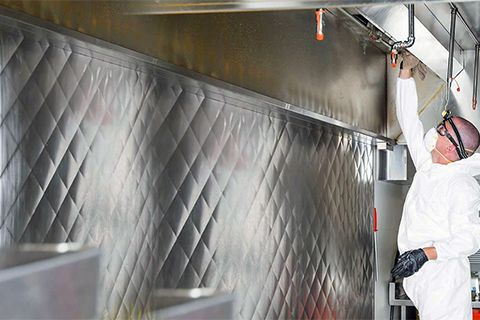
Regular exhaust hood cleaning is critical for maintaining a safe, efficient, and code-compliant commercial kitchen. While daily and weekly cleaning helps control grease buildup, most restaurants are required to schedule professional exhaust hood cleaning at regular intervals. Here’s a clear, step-by-step breakdown from the team at HoodMart of what to expect from a professional service, and how it protects your kitchen.
Why Professional Exhaust Hood Cleaning Matters
Professional commercial hood cleaning goes beyond surface-level maintenance. It helps:
- Reduce fire risk caused by grease buildup
- Improve airflow and ventilation performance
- Extend the life of your exhaust system
- Ensure compliance with fire and health codes
Step-by-Step: What to Expect During Exhaust Hood Cleaning
1. Prep and Protect the Kitchen
Before cleaning begins, technicians carefully prep the space:
- Cover cooking equipment with plastic and tarps
- Create a containment funnel to capture grease and water
- Protect surrounding surfaces from contamination.
These steps ensure your kitchen stays clean and damage-free during service.
2. Remove and Clean Hood Filters
Filters are removed and thoroughly cleaned to eliminate grease buildup.
A quality provider will also inspect:
- Filters
- Ductwork
- Exhaust fans
Pre-cleaning these components helps prevent excess mess during pressure washing.
3. Apply Degreasing Cleaning Agents
Technicians apply specialized degreasers to break down stubborn grease and residue throughout the system. This step is key to effective ventilation hood cleaning.
4. Pressure Wash the Entire System
High-pressure hot water is used to clean:
- Hood interior and exterior
- Ductwork
- Exhaust fan components
This removes grease, oil, and contaminants from the full system, not just visible areas.
5. Detail Cleaning and Water Removal
After washing, technicians:
- Clean hard-to-reach areas
- Remove excess water and debris
- Break down containment systems
- Restore the kitchen to its original condition
6. Wipe Down and Polish
The hood and fan are wiped and polished for a clean, professional finish, ensuring your system looks as good as it performs.
7. Test the Exhaust System
Before leaving, the team will test the system to confirm:
- Proper airflow
- Fan operation
- Overall system performance
8. Certification and Documentation
A certification sticker is applied, showing:
- Date of service
- Cleaning company
Many providers also supply before-and-after photos and reports, important for inspections and compliance records.
Final Considerations: Hood Cleaning Frequency & Choosing the Right Service
Cleaning frequency depends on cooking volume and type, but general guidelines include:
- Monthly: Solid fuel or high-grease cooking
- Quarterly: High-volume kitchens
- Semi-Annually: Moderate use
- Annually: Low-volume operations
Not all providers deliver the same level of service. Look for companies that:
- Clean the entire system (hood, ducts, and fan)
- Provide certification and documentation
- Follow proper containment and safety procedures
- Have experience with commercial kitchen exhaust fan cleaning
FAQs About Commercial Hood Cleaning
Q: What is included in commercial hood cleaning?
A: A full cleaning includes the hood, filters, ductwork, and exhaust fan to remove grease and contaminants from the entire system.
Q: How much does exhaust hood cleaning cost?
A: Costs vary based on kitchen size, system complexity, and grease buildup, but regular cleaning helps avoid expensive repairs and fines.
Q: Is professional hood cleaning required by code?
A: Yes, most jurisdictions require routine professional cleaning to comply with fire and safety regulations.
Q: Can I clean my exhaust hood myself?
A: Daily and weekly cleaning can be handled in-house, but deep cleaning must be performed by trained professionals to meet code requirements.
Q: What happens if I skip hood cleaning?
A: Skipping cleaning increases fire risk, reduces system efficiency, and can lead to failed inspections or costly penalties.
Keep Your Kitchen Safe, Efficient, and Compliant
Understanding the exhaust hood cleaning process helps you choose the right service and protect your kitchen investment. A properly cleaned system reduces risk, improves performance, and keeps you inspection-ready.
At HoodMart, we support commercial kitchens with high-quality exhaust hood systems, ductwork, and accessories designed for long-term performance. Need help upgrading your system or planning a new install? Contact our experts today or request a kitchen quote to get started.

 CUSTOM FABRICATORRECEIVE INSTANT QUOTE
Loading Fabricator...
PROJECT ID : T626PROJECT NAME :
Already have a project?
Login 0
0
WELCOME
START YOUR PROJECT »
1-2 WEEKS!
CHOOSE CATEGORY
Worktables
Shelving
Counters & Cabinets

WELCOME TO OUR SHOP
PROJECT DETAILS
MANAGE PROJECTS
Save your current project, or modify your previous projects
CURRENT PROJECT
PROJECT NAME :
PREVIOUS PROJECTS
No Projects found.
Thank you for
creating your project with
North American Kitchen Solutions!
Account Login
Have a design in mind? Contact Us for a Free Consult
Blog Home




Dont see your size or need a custom hood?
Let Us Help You!
Talk to a Specialist
Call Now: 1.800.715.1014