


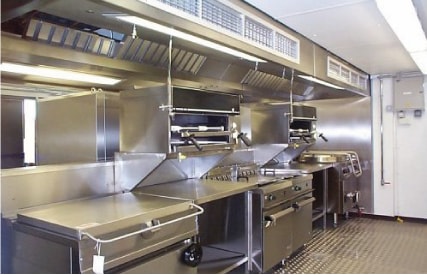
Running a commercial kitchen requires careful planning, especially when it comes to ventilation. A properly designed commercial hood system is essential for maintaining air quality, ensuring fire safety, and meeting strict building and health codes.
If you're budgeting for a new installation, understanding what drives commercial hood system cost is critical. Pricing can vary significantly depending on system size, ventilation requirements, materials, and installation complexity. In this guide, the experts at HoodMart break down the major cost factors so you can plan your investment with confidence.
What Impacts Commercial Hood System Cost?
There is no single price for a commercial hood system because every kitchen has unique requirements. Several key factors determine your final investment.
Size and Type of Hood System
The size and configuration of your kitchen heavily influence cost. Larger kitchens or those using high-heat, grease-producing appliances require more powerful systems.
Your system selection depends on:
- Kitchen layout and square footage
- Type of cooking equipment
- Required airflow (CFM)
- Whether a Type 1 or Type 2 hood is needed
Larger or custom-built systems naturally increase commercial hood system cost due to material volume and performance demands.
Ventilation and Ductwork Requirements
Ventilation design plays a major role in overall pricing. Complex duct runs, long vertical exhaust paths, or roof penetrations can significantly increase both material and labor costs.
Important considerations include:
- Ductwork layout and length
- Exhaust fan sizing
- Air balance requirements
- Integration with fire suppression systems
- Compliance with local codes
Restaurant ventilation system cost rises when systems require extended ductwork, specialized components, or modifications to existing structures. Proper planning helps avoid unexpected expenses later.
Materials and Construction Quality
Material selection directly affects durability, performance, and long-term value.
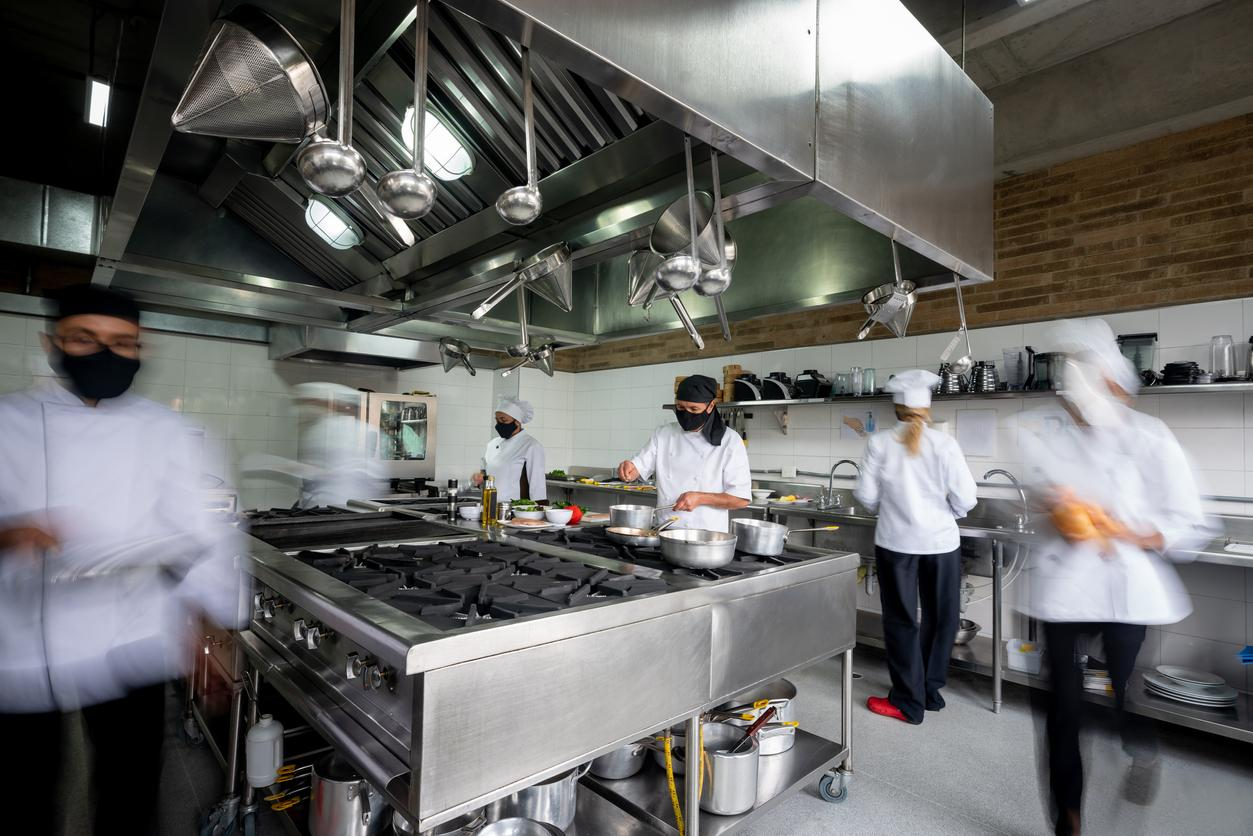
Most commercial hood systems are constructed from stainless steel because it resists corrosion, handles high heat, and is easy to clean. However, steel gauge, finish, and custom features influence pricing.
Optional features that may increase cost include:
- Built-in lighting
- High-efficiency grease filters
- Advanced airflow technology
- Custom fabrication
While these additions raise upfront costs, they can improve efficiency and long-term performance.
Exhaust and Makeup Air Systems
A complete commercial hood system includes more than the hood itself. It must work alongside exhaust fans and, in many cases, a makeup air unit.
These components affect:
- Airflow balance
- Kitchen comfort
- Energy efficiency
- Code compliance
Improper air balance can reduce system performance and create pressure issues in your building. That’s why working with experienced HVAC professionals is essential during system design.
Commercial Range Hood Installation Cost
Beyond equipment pricing, installation is a significant portion of the total investment. Commercial range hood installation cost includes labor, equipment handling, duct fabrication, and code compliance measures.
Professional installation ensures:
- Correct airflow performance
- Proper fire suppression integration
- Safe electrical connections
- Compliance with building and fire codes
If you're researching how to install an exhaust hood, it’s important to understand that commercial systems require professional installation. Attempting DIY installation can lead to inspection failures, unsafe conditions, and costly rework.
Restaurant hood installation costs vary depending on complexity, but proper installation protects your investment and prevents expensive corrections later.
Typical Commercial Hood System Cost Range
While exact pricing depends on your project, most commercial hood systems fall within a general range of:
$2,000 to $20,000 or more
Smaller, straightforward systems are typically at the lower end of the spectrum. Larger, custom-designed systems with extensive ductwork and advanced ventilation components fall at the higher end.
Restaurant ventilation system cost increases with system size, installation complexity, and specialized features.
The best way to determine accurate pricing is to consult with experienced professionals who can assess your kitchen layout and ventilation requirements.
Investing in the Right System for Long-Term Success
A high-quality commercial hood system is not just an expense; it’s a long-term investment in safety, compliance, and operational efficiency.
By carefully evaluating:
- System size and cooking load
- Ventilation and ductwork requirements
- Materials and build quality
- Commercial range hood installation cost
- Professional installation needs
You can make informed decisions that balance upfront cost with long-term performance.
Still have questions about commercial hood system costs? The HoodMart team is ready to help with personalized recommendations and expert guidance tailored to your kitchen’s needs. Contact us today to get started.
Frequently Asked Questions
How much does a commercial hood system cost?
Most commercial hood systems cost between $2,000 and $20,000 or more, depending on size, materials, ventilation requirements, and installation complexity.
What affects commercial range hood installation cost?
Commercial range hood installation cost depends on labor, ductwork length, roof penetration requirements, fire suppression integration, and local code compliance.
Is it possible to learn how to install an exhaust hood yourself?
Commercial hood systems require professional installation to ensure safety, airflow performance, and compliance with building and fire codes. DIY installation is not recommended.
Why does restaurant ventilation system cost vary so much?
Restaurant ventilation system cost varies based on kitchen size, ductwork design, exhaust fan capacity, materials, and required code compliance measures.
Does a commercial hood system include exhaust and makeup air?
Yes. A complete commercial hood system includes the hood, ductwork, exhaust fan, and often a makeup air unit to maintain proper air balance.

 CUSTOM FABRICATORRECEIVE INSTANT QUOTE
Loading Fabricator...
PROJECT ID : T626PROJECT NAME :
Already have a project?
Login 0
0
WELCOME
START YOUR PROJECT »
1-2 WEEKS!
CHOOSE CATEGORY
Worktables
Shelving
Counters & Cabinets


WELCOME TO OUR SHOP
PROJECT DETAILS
MANAGE PROJECTS
Save your current project, or modify your previous projects
CURRENT PROJECT
PROJECT NAME :
PREVIOUS PROJECTS
No Projects found.
Thank you for
creating your project with
North American Kitchen Solutions!
Account Login
Have a design in mind? Contact Us for a Free Consult
Blog Home




Dont see your size or need a custom hood?
Let Us Help You!
Talk to a Specialist
Call Now: 1.800.715.1014