

Cómo un sistema de supresión de incendios para campanas comerciales protege su cocina y su personal
- Julio 09, 2026
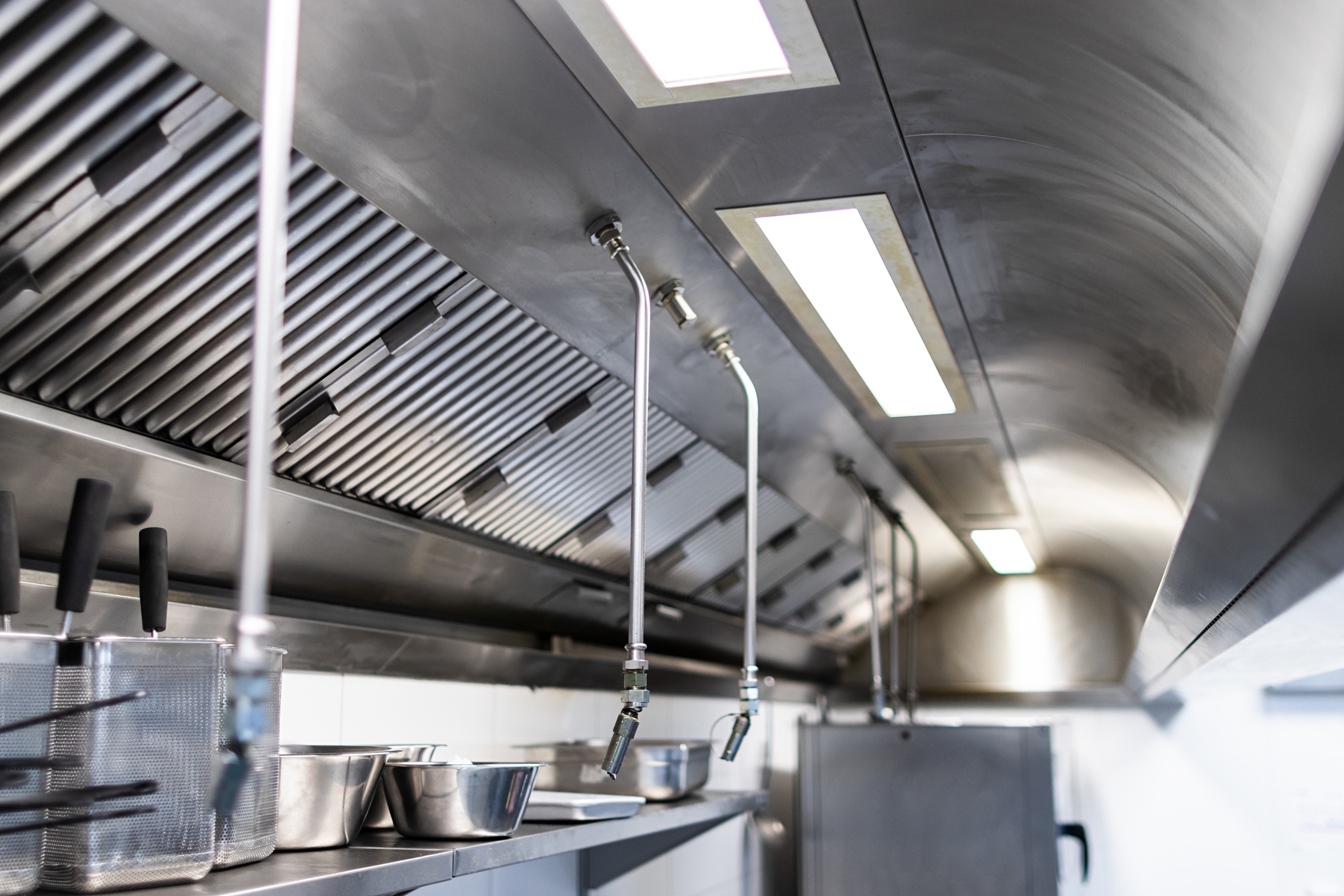
While ventilation hoods help manage smoke and heat, they also play a critical role in fire protection when paired with an integrated suppression system. A commercial hood fire suppression system is designed to detect and stop fires at their source, often before they have a chance to spread. Understanding how these systems work, and why they’re required for many kitchens, is key to keeping your staff safe and your operation compliant.
Here’s what you need to know, straight from the experts at HoodMart.
What Is a Commercial Hood Fire Suppression System?
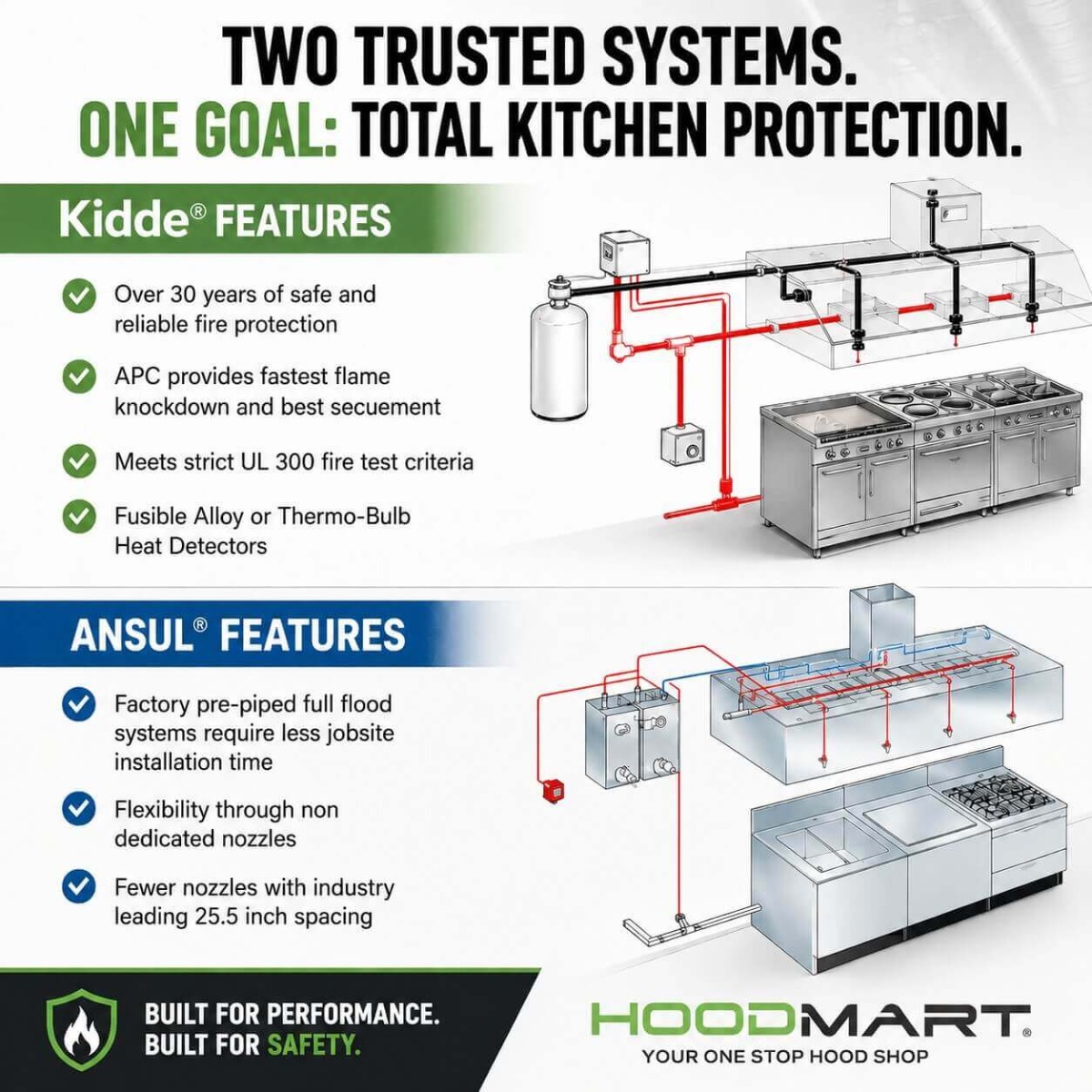
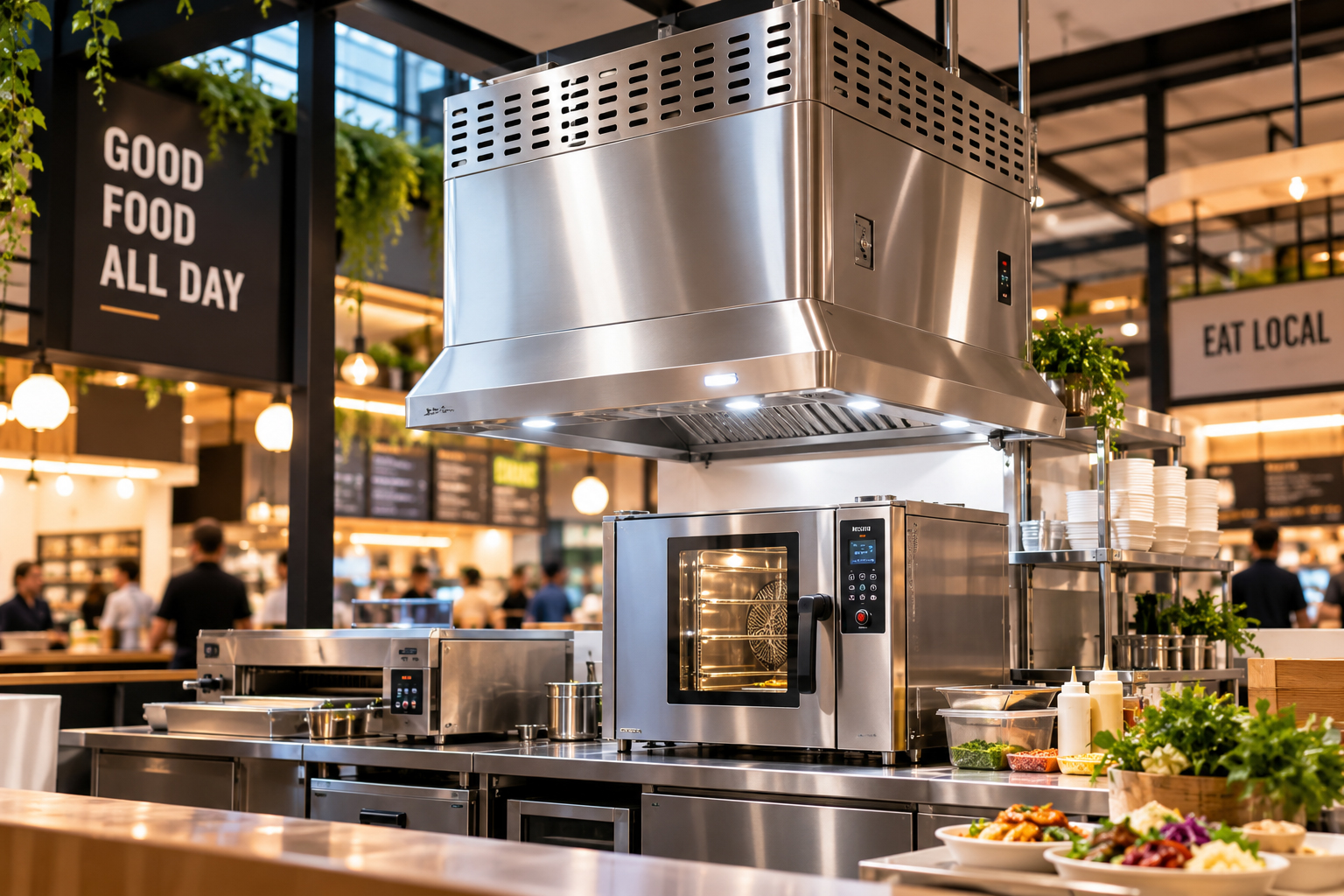
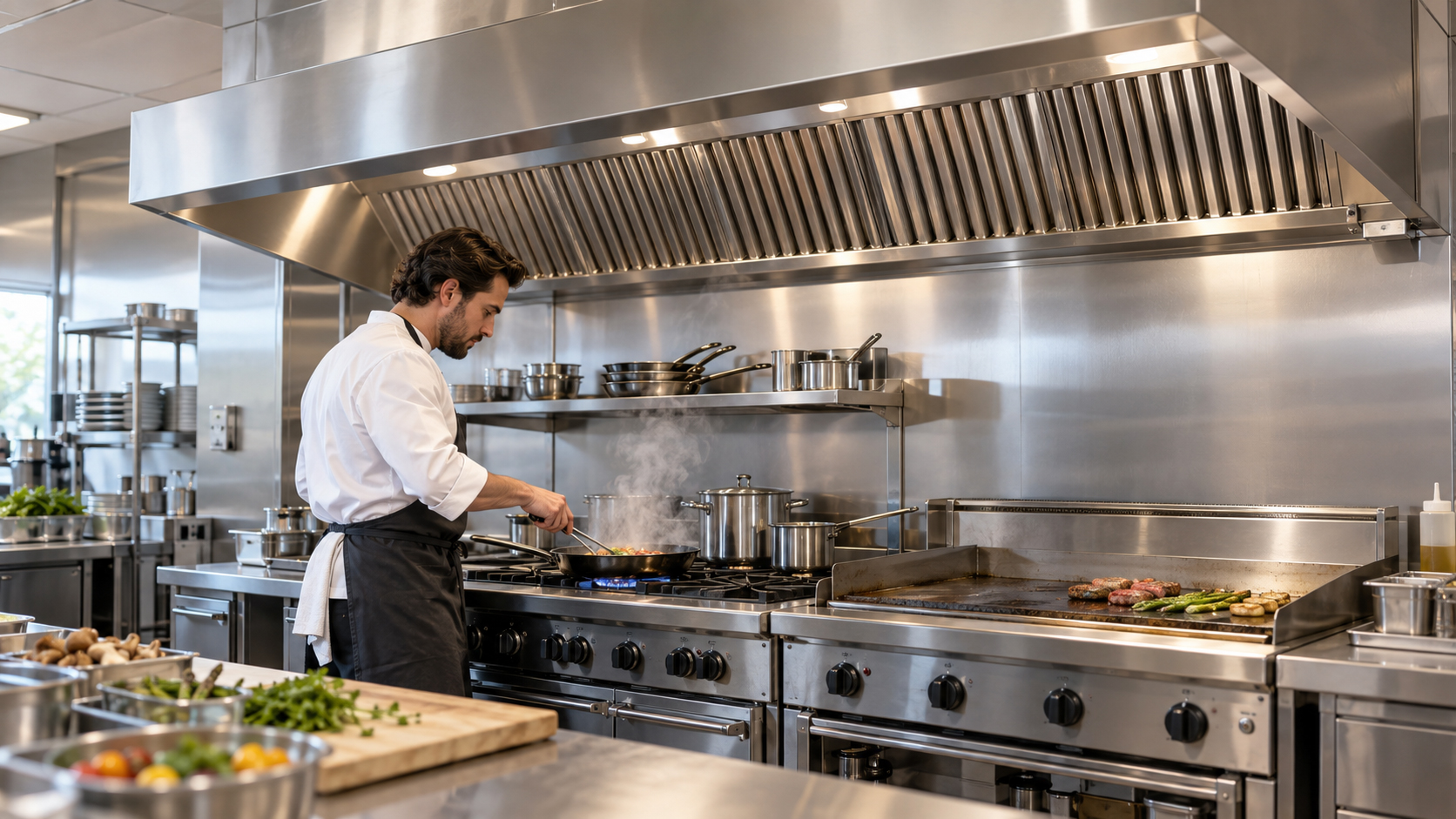
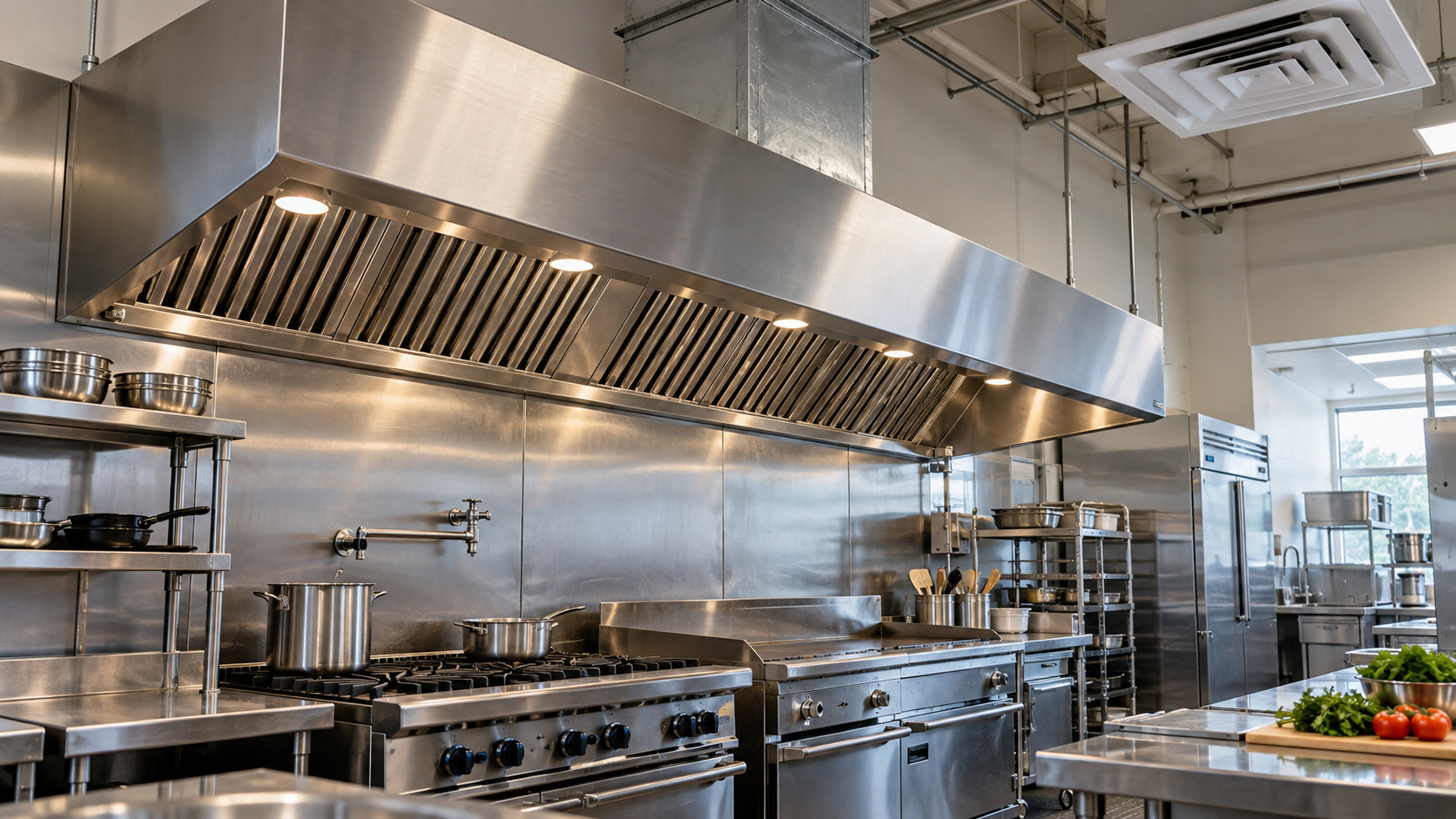
Fire is one of the biggest risks in a commercial kitchen. From deep fryers to open-flame grills, high-heat equipment and flammable oils can quickly create a dangerous situation. A commercial hood fire suppression system is built directly into your ventilation hood to provide automatic, around-the-clock protection. These systems are most commonly installed in a type 1 vent hood, which is specifically designed to handle grease-laden vapors and meet strict fire safety standards.
How Fire Suppression Integrates with a Type 1 Hood
A hood with fire suppression does more than remove smoke and grease - it actively protects your kitchen in the event of a fire. Here’s how it works:
Heat or flame detection: Sensors inside the hood detect rapid temperature increases
Automatic activation: The system triggers instantly - no manual action required
Targeted discharge: Nozzles release a wet chemical agent directly over cooking equipment
Fire containment: The agent suppresses flames and helps prevent re-ignition
System shutdown: Fuel and electrical sources may automatically shut off
This built-in response makes a commercial hood fire suppression system far more effective than relying on handheld extinguishers alone.
Why Type 1 Hood Requirements Matter
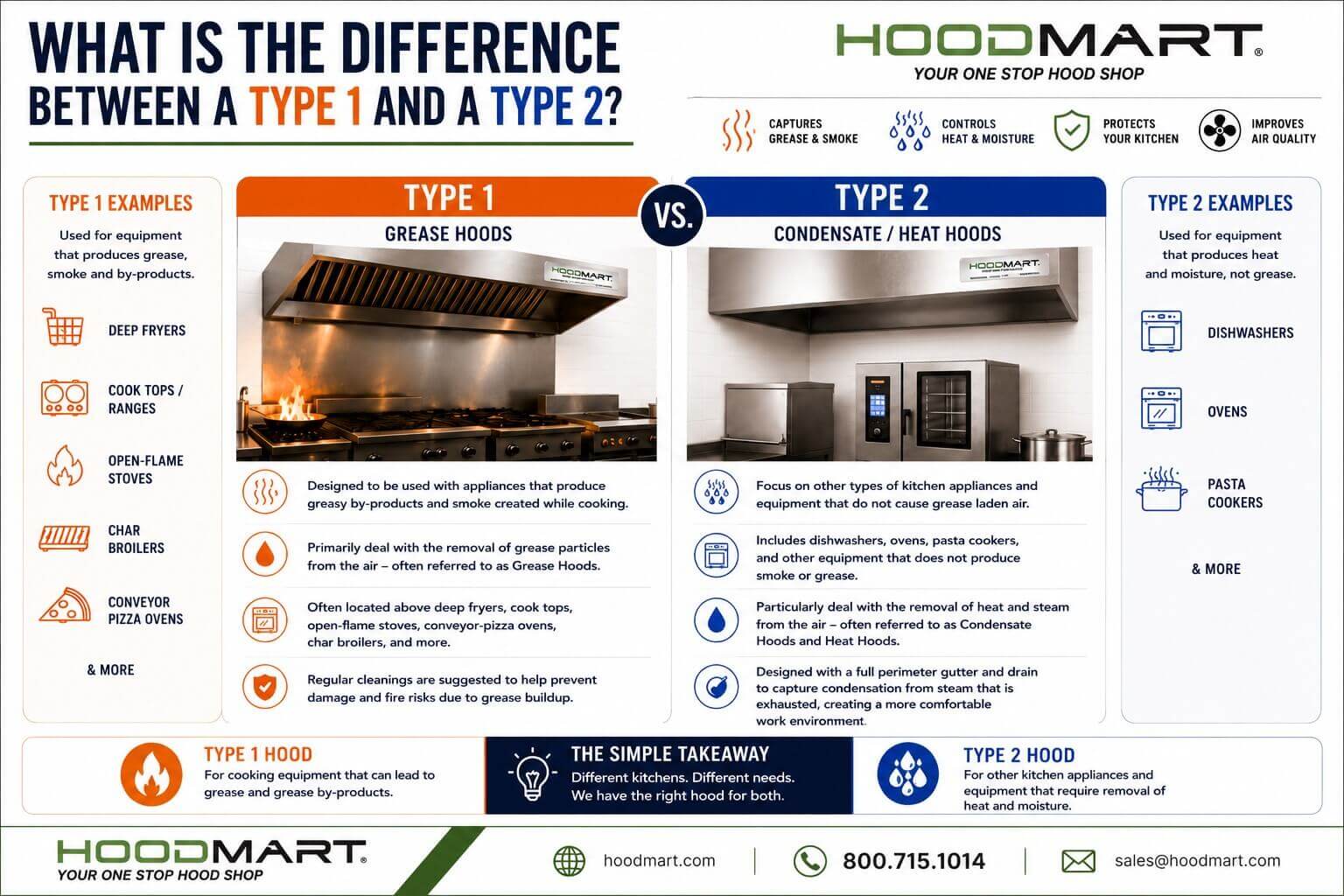
Understanding type 1 vs type 2 hoods is critical when it comes to fire protection:
When to use a Type 1 hood:
- Required for grease-producing appliances, including fryers, grills, and ranges
- Must include a UL 300-listed fire suppression system
- Designed for fire safety and grease containment
When to use a Type 2 hood:
- Used for heat and steam only, with no grease
- Does not require fire suppression
If you’re asking “What is a type 1 hood?”, it’s the industry standard for any commercial kitchen with grease-producing equipment, and it always requires built-in fire protection.
Why Fire Suppression Is Your First Line of Defense
A properly installed system delivers critical safety and compliance benefits:
Automatic response. Activates instantly - faster than human reaction time
Targeted protection. Nozzles are positioned over high-risk cooking areas
Code compliance. Meets type 1 hood requirements and fire safety regulations
Reduced damage. Helps contain fires before they spread
Peace of mind. Keeps staff safe and operations running smoothly
Protect Your Kitchen & Your Bottom Line: Partner With HoodMart for Fire-Safe Ventilation Solutions
A commercial hood fire suppression system is one of the smartest investments you can make. It protects your staff, equipment, and business by delivering fast, automatic fire response exactly where it’s needed most.
At HoodMart, we make it easy to get a complete hood with fire suppression that’s built for safety, performance, and code compliance. Our systems are designed as turnkey solutions - so you can move forward with confidence.
Whether you're installing a new type 1 vent hood or upgrading an existing system, our experts will help you choose the right setup for your kitchen. Get a custom kitchen quote today to get started with a compliant, ready-to-install fire suppression solution.
Frequently Asked Questions About Commercial Hood Fire Suppression Systems
Q: Do all commercial kitchens need a hood with fire suppression?
A: If you’re using grease-producing equipment, yes. A type 1 hood with a UL 300 fire suppression system is required by most fire and building codes.
Q: What is the difference between Type 1 vs Type 2 hoods?
A: Type 1 hoods handle grease and require fire suppression, while Type 2 hoods are for heat and steam only and do not require fire protection systems.
Q: How often does a fire suppression system need to be inspected?
A: Most systems must be inspected and serviced every 6 months by a licensed professional to remain compliant.
Q: Is installation complicated for a hood with fire suppression?
A: Not with HoodMart. Our systems are pre-piped and designed for straightforward installation, with final inspection and tagging completed by a licensed fire suppression company.
Q: Can I retrofit fire suppression into an existing hood?
A: In many cases, yes - but it depends on your current system. It’s best to consult with a ventilation expert to ensure compliance with current type 1 hood requirements.

 CUSTOM FABRICATORRECEIVE INSTANT QUOTE
Loading Fabricator...
PROJECT ID : T626PROJECT NAME :
Already have a project?
Login 0
0
WELCOME
START YOUR PROJECT »
1-2 WEEKS!
CHOOSE CATEGORY
Worktables
Shelving
Counters & Cabinets

WELCOME TO OUR SHOP
PROJECT DETAILS
MANAGE PROJECTS
Save your current project, or modify your previous projects
CURRENT PROJECT
PROJECT NAME :
PREVIOUS PROJECTS
No Projects found.
Thank you for
creating your project with
North American Kitchen Solutions!
Account Login
Have a design in mind? Contact Us for a Free Consult
Blog Home




Dont see your size or need a custom hood?
Let Us Help You!
Talk to a Specialist
Call Now: 1.800.715.1014