

Componentes del sistema de campana comercial explicados: ventiladores, conductos y aire de reposición
- Marzo 03, 2026
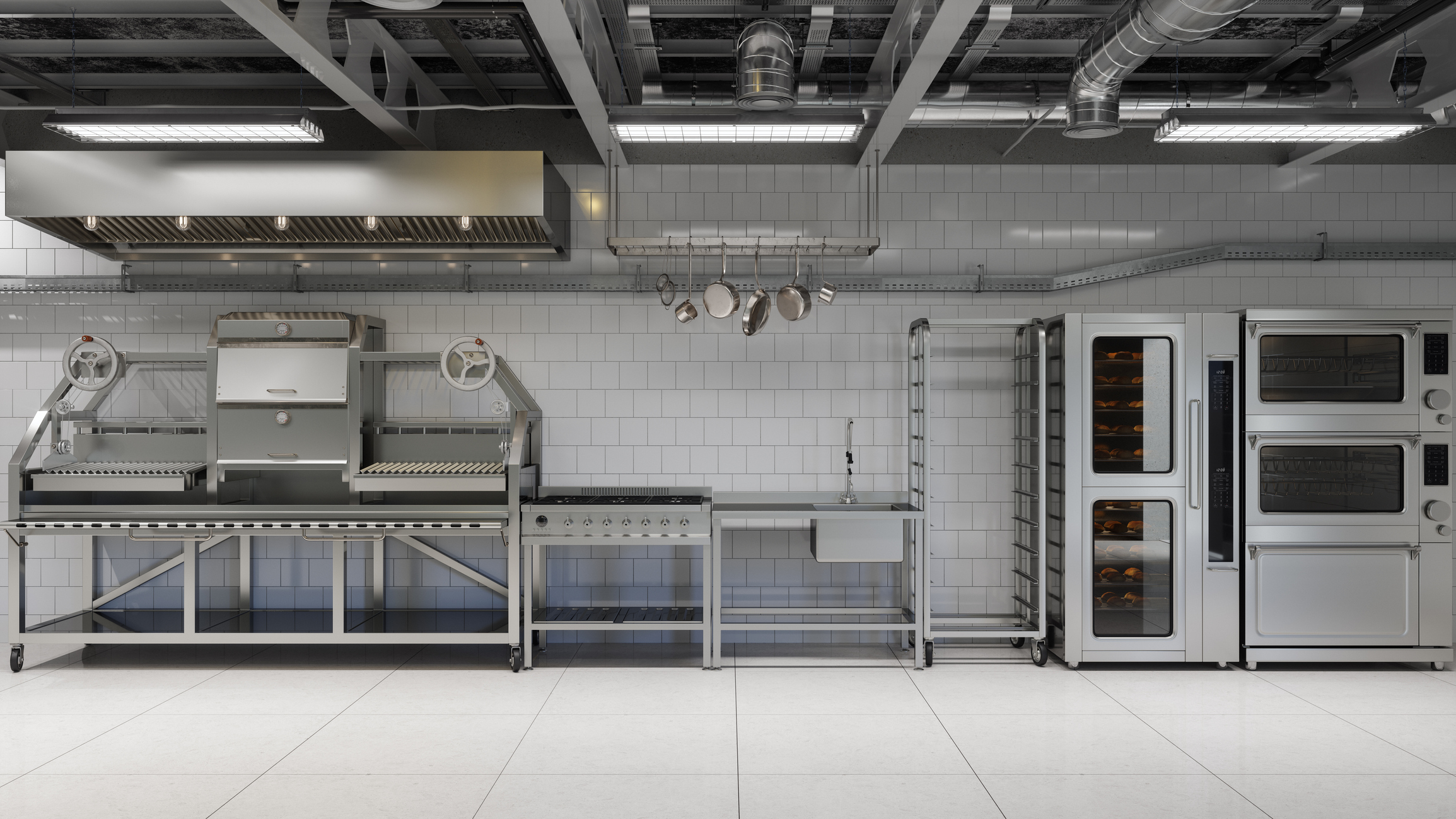
A commercial exhaust hood is just one part of a fully functioning kitchen ventilation system. For a system to operate safely, efficiently, and pass inspection, each component must work together seamlessly.
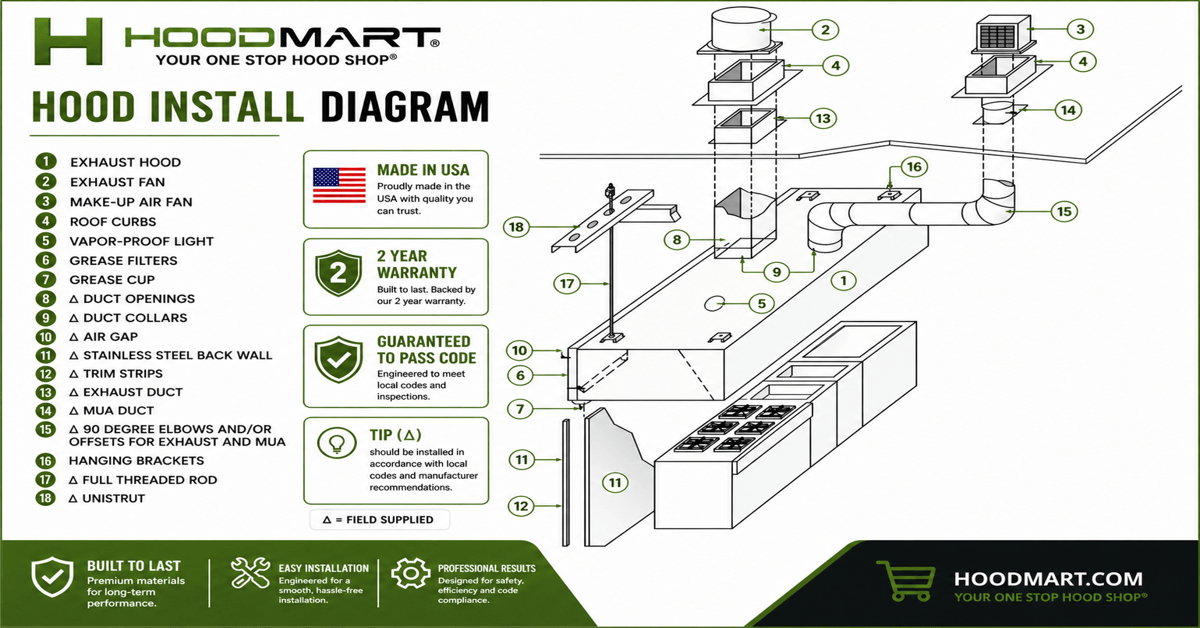
This guide by HoodMart walks you through the essential elements of a commercial hood system, explaining how each part contributes to performance, safety, and compliance.
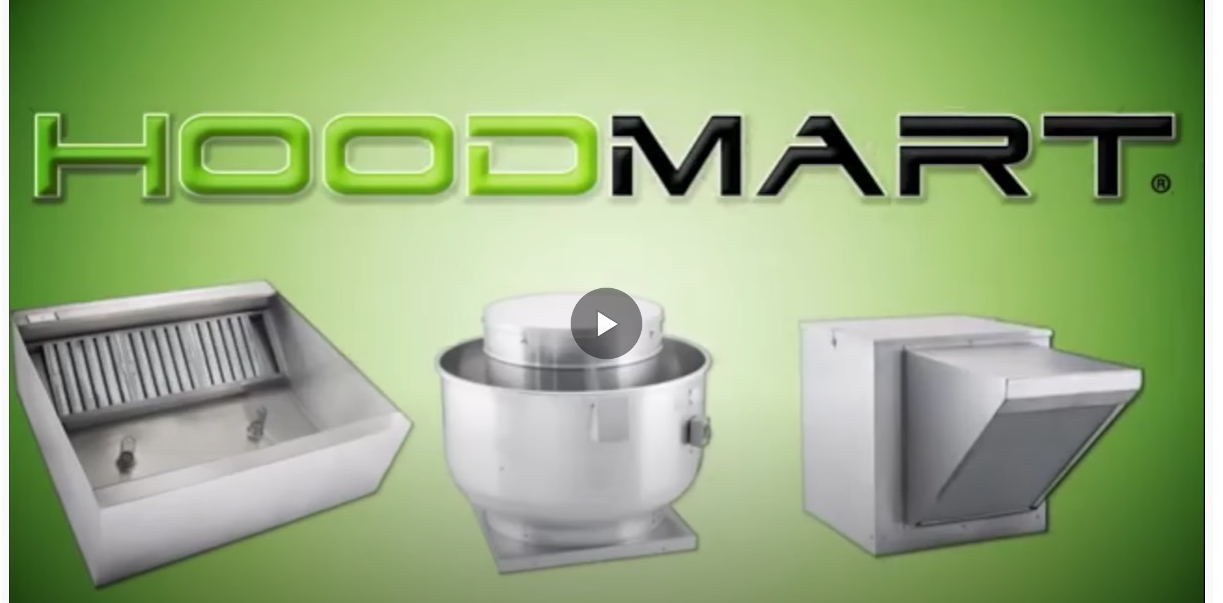
Up First: The Commercial Kitchen Exhaust Hood Itself
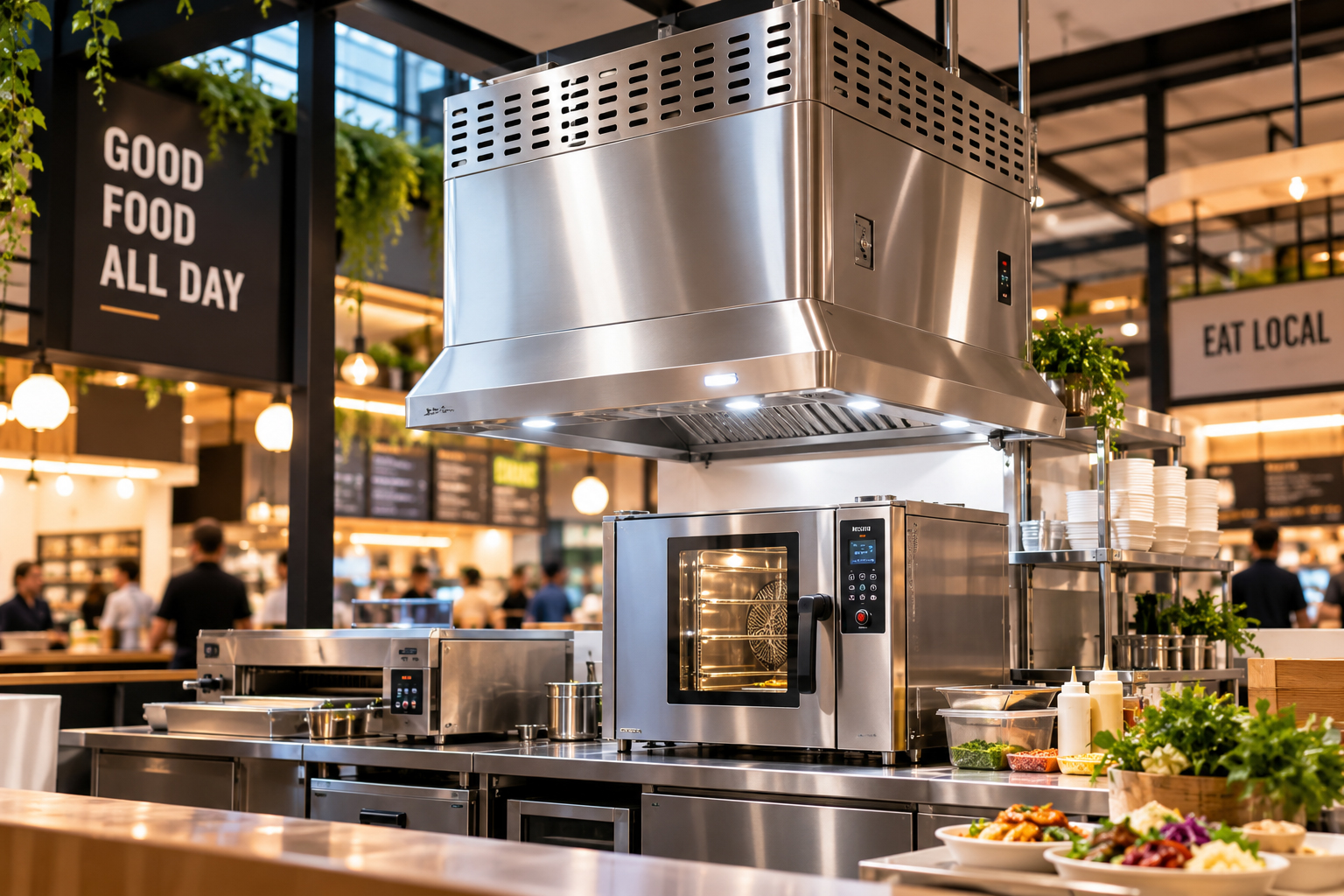
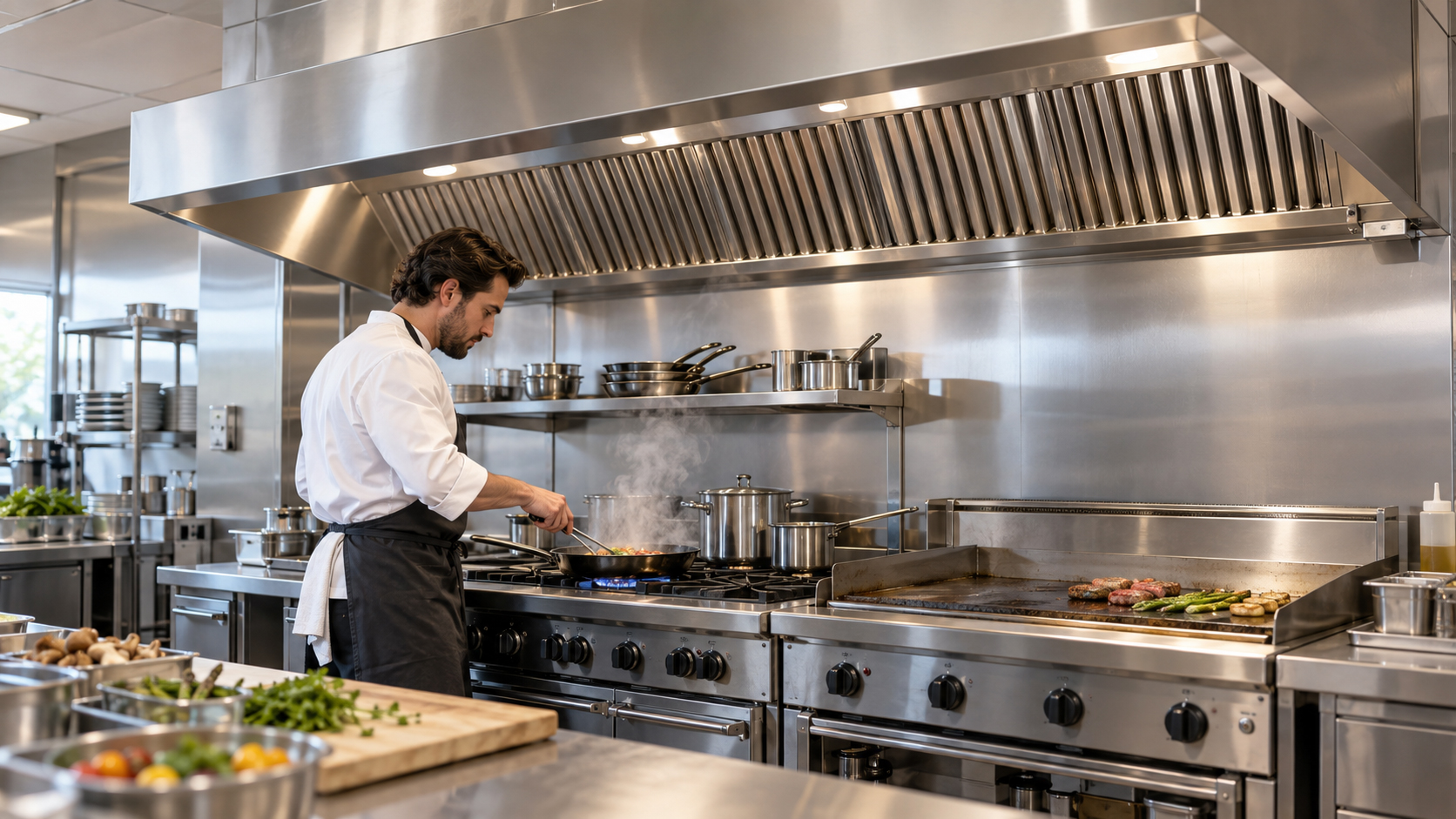
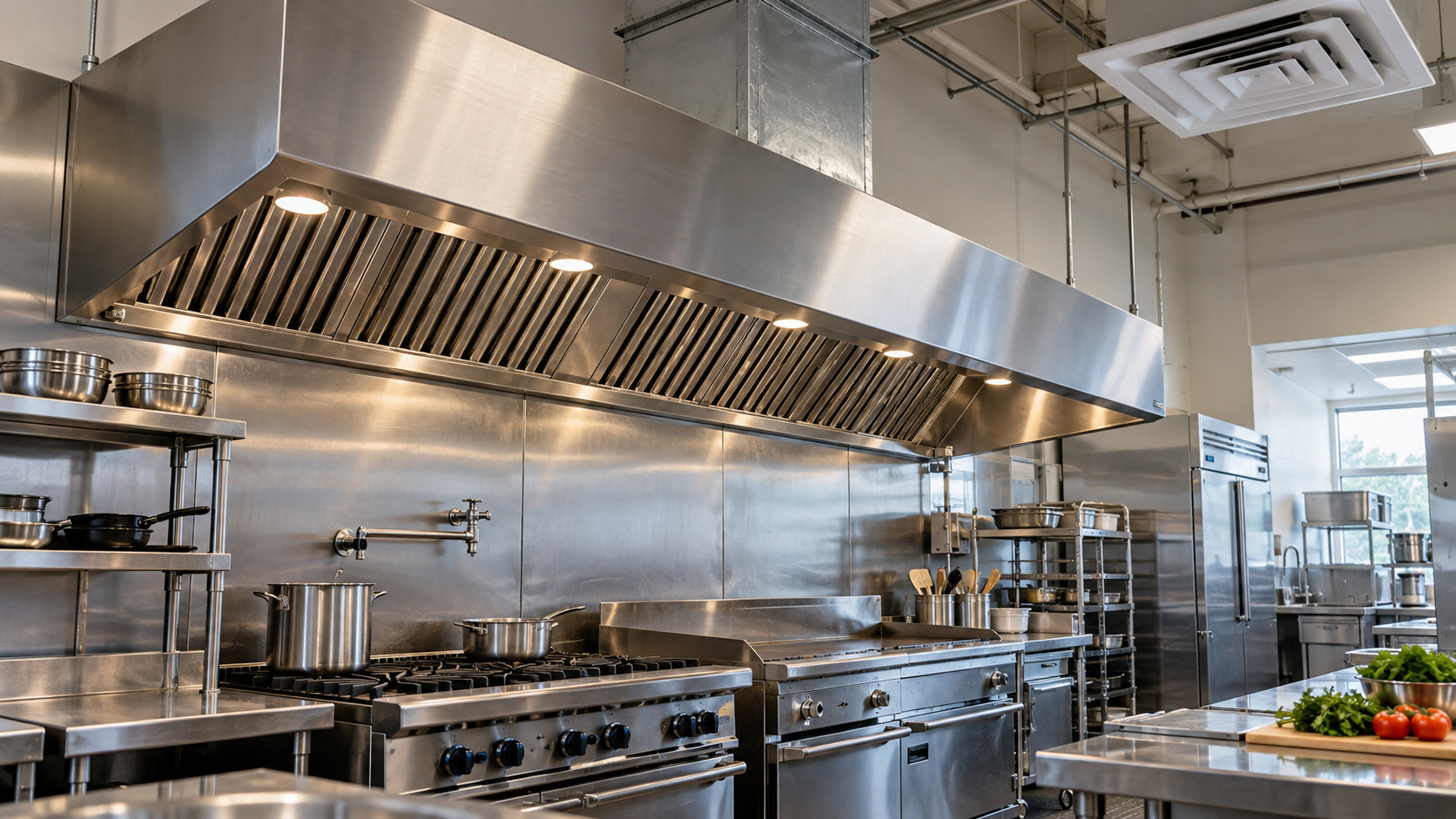
The exhaust hood is the centerpiece of your ventilation system. It captures smoke, grease, heat, and cooking vapors right at the source. The right hood depends on several factors, including:
- The type of cooking equipment in use
- The kitchen layout and workflow
- Ceiling height
Type 1 hoods are designed to handle grease-producing appliances such as fryers, grills, ranges, woks, and charbroilers. Type 2 hoods, on the other hand, are intended for heat- or steam-producing equipment like ovens and dishwashers. Choosing the correct hood type is critical for safety, airflow efficiency, and code compliance.
Kitchen Hood Grease Filters: Capturing Grease Before It Enters the System
Grease filters trap airborne grease before it enters the duct system. For Type 1 hoods, baffle-style filters are standard because they:
- Reduce fire risk
- Improve airflow efficiency
- Extend the life of the exhaust fan and ductwork
Proper maintenance of grease filters is essential. Clogged or damaged filters can compromise system performance and increase fire hazards.
Exhaust Fans: Powering Airflow in Commercial Kitchen Vent Systems
The exhaust fan pulls contaminated air through the hood and duct system and expels it safely outside the building. Common fan types include:
- Upblast fans
- Utility set fans
- Inline fans
Selecting the right fan depends on airflow requirements, duct length, and roof conditions. A mismatched fan can lead to poor performance, negative pressure, and energy inefficiency.
Ductwork: Safely Moving Exhaust Air Out of the Kitchen
Ductwork is the path through which contaminated air leaves the building. For grease systems, ducts must be:
- Welded and grease-rated
- Properly sloped for drainage
- Sized according to airflow requirements
Incorrect duct design is one of the most common reasons kitchens fail inspection. Proper planning ensures safety, efficiency, and compliance with NFPA 96 standards.
Makeup Air: Replacing Exhausted Air to Maintain Balance
Makeup air is essential for maintaining balanced airflow in commercial kitchens. It replaces the air pulled out by the exhaust system, keeping the kitchen environment comfortable and the exhaust system functioning properly.
Without makeup air, kitchens can experience negative pressure, uneven temperatures, and reduced hood performance.
Fire Suppression: Automatic Protection for Grease Fires
Most Type 1 hoods require a fire suppression system. These systems automatically discharge in the event of a grease fire, protecting both staff and property. Fire suppression installation must be completed and tagged by licensed professionals to meet code requirements.
Why Understanding the Full System Matters
Knowing how all components work together allows kitchen owners to:
- Budget accurately
- Avoid costly delays
- Pass inspections with confidence
- Extend the life of the ventilation system
Frequently Asked Questions About Commercial Kitchen Hood Systems
How do I know what type of hood my kitchen needs?
The type of hood depends on your cooking equipment. Type 1 hoods are required for grease-producing appliances like fryers, grills, charbroilers, and woks. Type 2 hoods are used for heat- or steam-producing appliances such as ovens and dishwashers. Some pizza ovens may fall into either category depending on design. Correct selection ensures both safety and code compliance.
What is the proper length for a commercial exhaust hood?
The hood should extend about 6 inches beyond the equipment on each side and 12 inches beyond the front. Proper overhang ensures smoke, heat, and grease are captured effectively.
What is makeup air, and do I need it?
Makeup air replaces the air exhausted by your hood. It is essential for maintaining balanced airflow, consistent temperatures, and energy efficiency. Most local codes require makeup air in commercial kitchens.
Do I need fire suppression?
Yes, if your cooking equipment produces grease. This includes fryers, griddles, ranges, woks, and charbroilers. Equipment such as pizza ovens, convection ovens, and steamers typically does not require fire suppression.
Can I use a ventless hood?
Ventless hoods can be used if your equipment is electric and meets UL 710B requirements. They are popular for food trucks, ghost kitchens, kiosks, and leasehold spaces without roof access.
Will my hood system pass local codes?
HoodMart’s systems are built to NFPA 96 standards, UL listed, and CAN/ULC compliant. Proper installation helps ensure your kitchen meets inspection requirements.
How do I find an installer near me?
HoodMart’s Installer Lookup Tool helps you locate certified fire suppression and service providers nationwide.
Why partner with HoodMart?
HoodMart makes commercial kitchen ventilation easier with complete, code-compliant products, expert support, and fast shipping. From hood selection to installer coordination, our team helps you move forward with confidence. Contact HoodMart today to speak with a specialist and get a free quote for your kitchen ventilation system.
Get the Right Ventilation System for Your Kitchen
A commercial kitchen ventilation system is only as strong as its weakest component. When hoods, fans, ductwork, makeup air, and fire suppression work together, your kitchen operates safely, efficiently, and up to code.
Don’t leave your system, or your staff’s safety, to chance. Contact HoodMart today to speak with a specialist and get a free, customized quote for a complete commercial kitchen ventilation solution.

 CUSTOM FABRICATORRECEIVE INSTANT QUOTE
Loading Fabricator...
PROJECT ID : T689PROJECT NAME :
Already have a project?
Login 0
0
WELCOME
START YOUR PROJECT »
1-2 WEEKS!
CHOOSE CATEGORY
Worktables
Shelving
Counters & Cabinets

WELCOME TO OUR SHOP
PROJECT DETAILS
MANAGE PROJECTS
Save your current project, or modify your previous projects
CURRENT PROJECT
PROJECT NAME :
PREVIOUS PROJECTS
No Projects found.
Thank you for
creating your project with
North American Kitchen Solutions!
Account Login
Have a design in mind? Contact Us for a Free Consult
Blog Home




Dont see your size or need a custom hood?
Let Us Help You!
Talk to a Specialist
Call Now: 1.800.715.1014