

Cómo elegir la campana extractora adecuada para su restaurante (sin gastar de más)
- Marzo 23, 2026
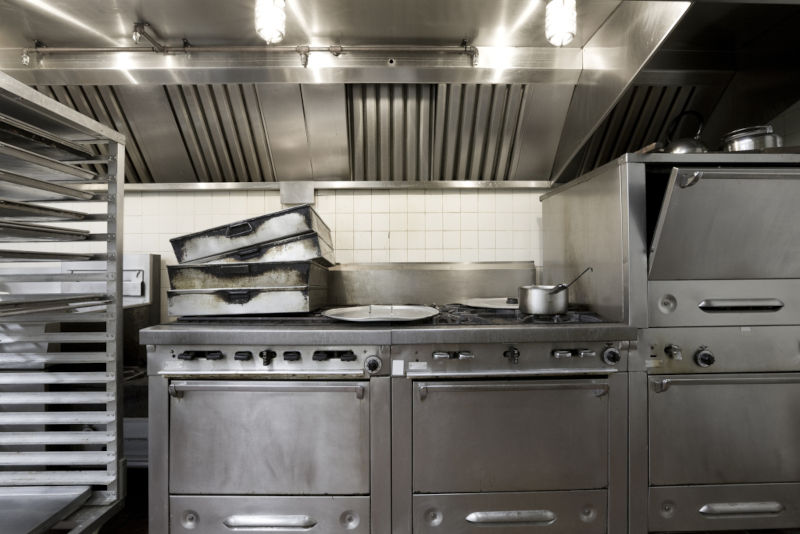
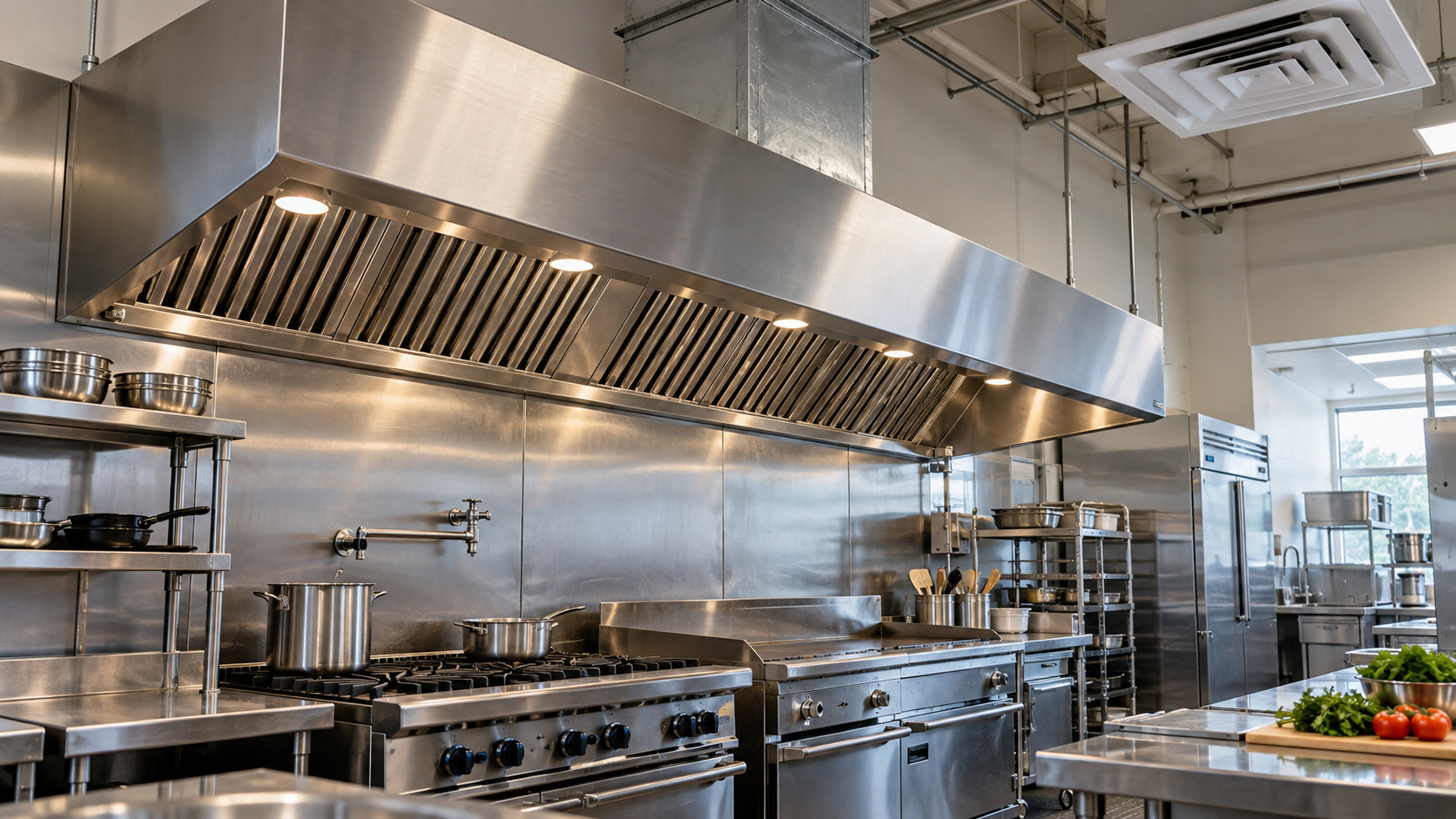
Choosing the right commercial kitchen exhaust hood is one of the most important decisions you’ll make when building or upgrading a commercial kitchen. The right system helps keep your kitchen safe, comfortable, and code-compliant, while the wrong one can lead to wasted money, failed inspections, or costly changes later.
This guide walks through how to select the right exhaust hood for your restaurant without overspending or overcomplicating the process.
Start With Your Cooking Equipment
The type of food you cook determines the type of hood you need.
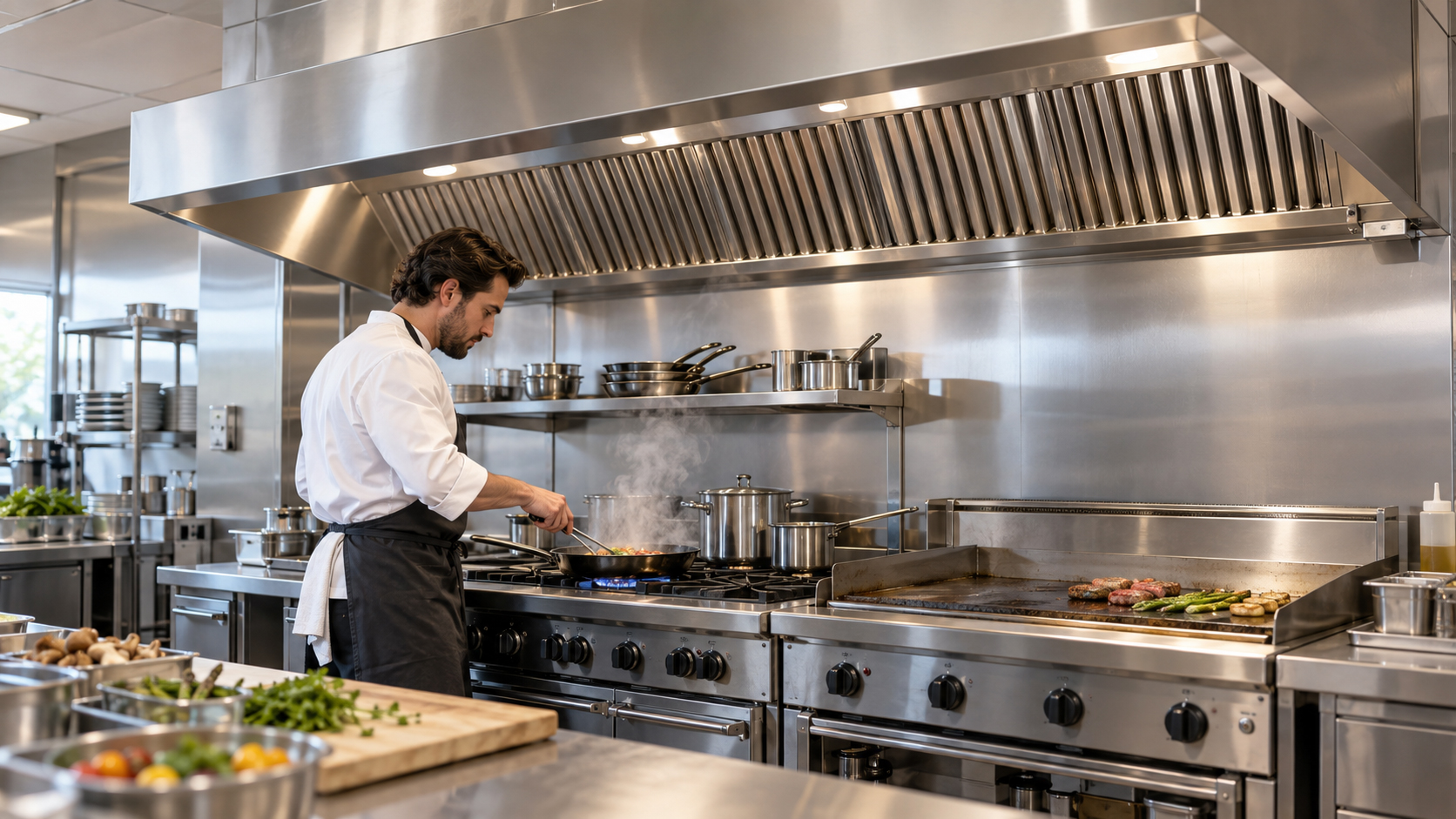
- Grease-producing equipment such as fryers, grills, and ranges typically requires a Type 1 hood.
- Heat or steam-only equipment such as ovens, steamers, and dishwashers typically requires a Type 2 hood.
If even one appliance produces grease, you’ll need a Type 1 hood. This is where many buyers accidentally underbuy, or overspend later by upgrading unnecessarily.
Hood Size Matters, But Bigger Isn’t Always Better
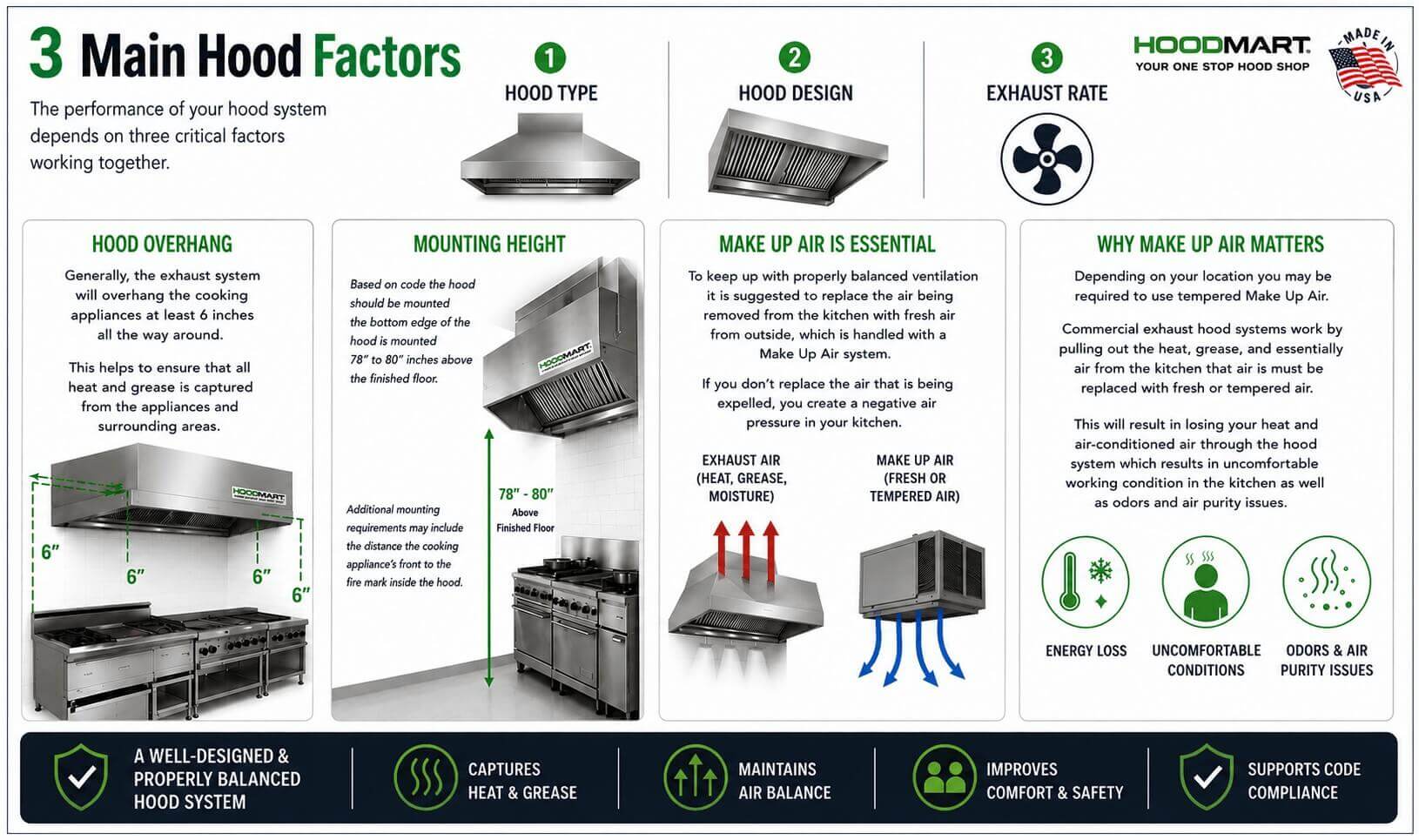
Exhaust hoods should extend beyond the cooking equipment to provide proper capture and coverage.
- 6 inches past the equipment on each side
- 12 inches beyond the front edge
Buying an oversized hood may seem safer, but it can:
- Increase exhaust airflow requirements
- Raise makeup air costs
- Add unnecessary installation complexity
The goal is proper coverage, not excess size.
Understand What’s Included in a Commercial Hood System
A complete exhaust hood system often includes:
- The hood itself
- Grease filters
- Exhaust fan
- Ductwork
- Makeup air
- Fire suppression
Understanding these components upfront helps prevent surprise costs later.
Do You Need Makeup Air?
In most cases, yes. Makeup air replaces the air removed by your exhaust hood. Without it, your kitchen can experience:
- Negative pressure
- Poor hood performance
- Increased HVAC strain
Most local codes require makeup air for commercial kitchens.
Ventless Hoods: When They Make Sense
Ventless hoods can be a great option when:
- Equipment is electric
- UL 710B requirements are met
- Roof access is limited
They’re popular in food trucks, ghost kitchens, and leased spaces, but they’re not a universal solution.
Avoid Common Buying Mistakes
Common issues include:
- Choosing the wrong hood type
- Underestimating airflow needs and CFM rating
- Forgetting fire suppression requirements
- Not planning for code inspections
Working with knowledgeable suppliers helps avoid these pitfalls.
Why HoodMart Makes Kitchen Ventilation Simple
HoodMart makes commercial kitchen ventilation easier by offering complete, code-compliant systems designed to pass inspection the first time. With simplified product selection, fast shipping, and expert support every step of the way, customers get solutions that work together seamlessly without overbuying or guesswork.
Contact HoodMart today to speak with a specialist and get a free quote for a ventilation system tailored to your kitchen.

 CUSTOM FABRICATORRECEIVE INSTANT QUOTE
Loading Fabricator...
PROJECT ID : T689PROJECT NAME :
Already have a project?
Login 0
0
WELCOME
START YOUR PROJECT »
1-2 WEEKS!
CHOOSE CATEGORY
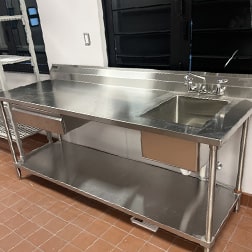
Worktables
Shelving
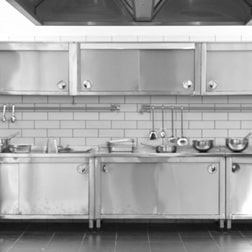
Counters & Cabinets
WELCOME TO OUR SHOP
PROJECT DETAILS
MANAGE PROJECTS
Save your current project, or modify your previous projects
CURRENT PROJECT
PROJECT NAME :
PREVIOUS PROJECTS
No Projects found.
Thank you for
creating your project with
North American Kitchen Solutions!
Account Login
Have a design in mind? Contact Us for a Free Consult
Blog Home



Dont see your size or need a custom hood?
Let Us Help You!
Talk to a Specialist
Call Now: 1.800.715.1014