

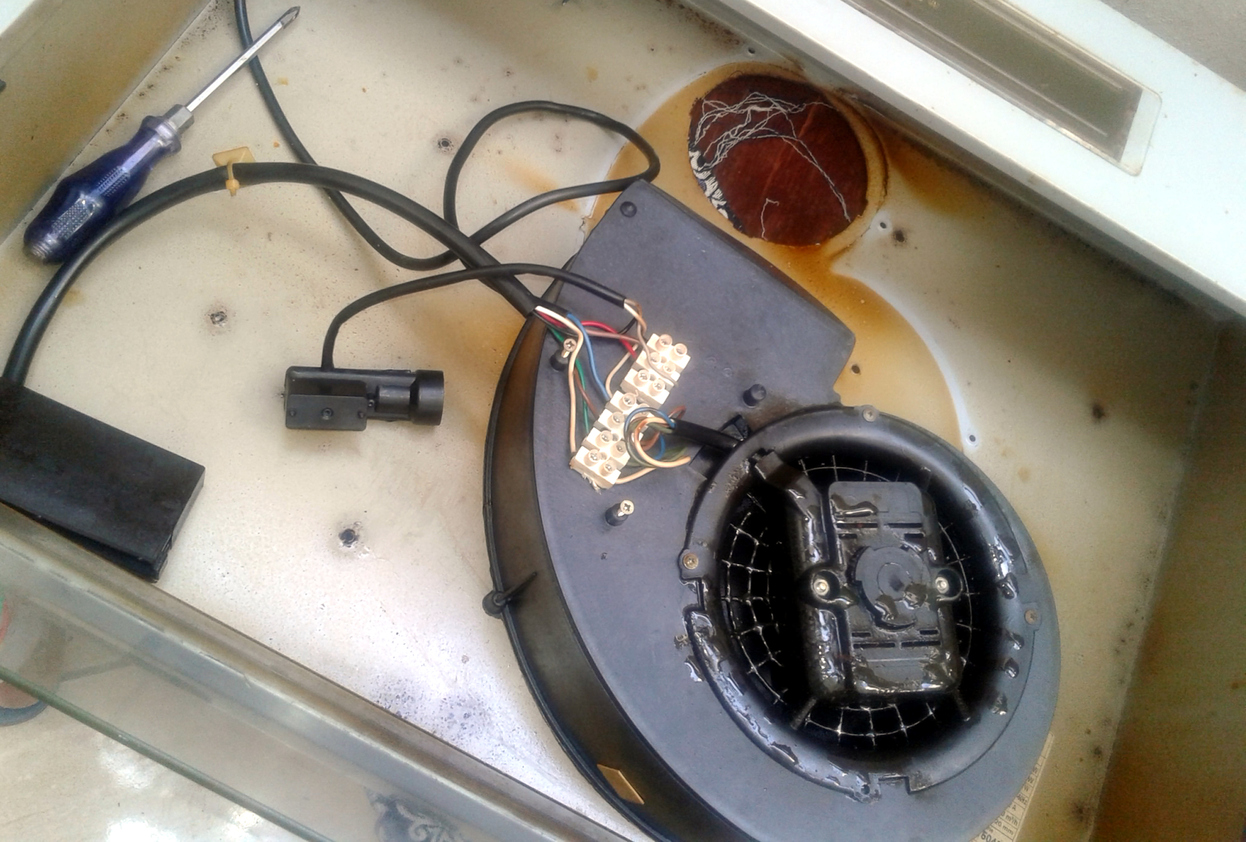
A commercial kitchen exhaust system works harder than almost any other piece of equipment in the building—pulling heat, smoke, grease, and odors out of the kitchen continuously through every service. Because it runs quietly in the background (and largely out of sight on the roof), it's easy to defer maintenance until something goes wrong. That's a costly mistake.
A rooftop exhaust fan failure doesn't just mean a repair bill; it means a shutdown, and in a commercial kitchen, downtime translates directly to lost revenue, failed inspections, and frustrated staff. Regular, systematic maintenance is the most reliable way to prevent that outcome. The checklist below covers every major component of a commercial kitchen exhaust fan, what to look for, and when to act.
What to Inspect on Your Commercial Kitchen Exhaust Fan
Exhaust Fan Hinge
Confirm your unit has a hinge kit installed. It allows safe access to the fan during maintenance without risking damage to the blades or housing. If your unit lacks one, an exhaust fan hinge kit covers everything needed for installation.
Fan Belts
Inspect belts for cracking, fraying, or visible wear. If there's any doubt about a belt's condition, replace it. Belts absorb daily operational stress and are inexpensive insurance against a larger failure.
Electrical Wiring
Check your electrical systems, which includes all wiring for fraying, kinks, or breakage, and confirm connections are tight and secure. Damaged wiring is a fire and shorting risk—replace anything that looks compromised.
Fan Blades
Unbalanced blades cause vibration that loosens screws, bolts, and other components over time. Clean blades thoroughly before assessing balance—even minor grease or debris buildup can throw them off.
Bearings and Lubrication
Bearings keep the fan spinning smoothly. Lubricate motors, fans, valve stems, and bearings regularly. Well-lubricated components run longer and fail less.
Air Intake, Motor Housing, and Seals
Check seals on all covers to prevent grease and oil from entering the motor housing. A clean intake and sealed housing are essential for motor longevity.
Vibration Isolators
Vibration isolators act as shock absorbers for the fan's frame. As they age and dry out, vibration increases. If you notice heavier-than-normal shaking, inspect the isolators and replace them as needed.
Exterior and Weather Damage
Rooftop units take a beating. Inspect the exterior regularly for corrosion, rust, and leaks—especially after severe weather events like heavy snow, high winds, or sustained rainfall.
How Often Should You Inspect Your Commercial Exhaust Fan?
Preventative maintenance on a commercial kitchen exhaust fan isn't a complex or time-consuming process, but it does require consistency. Each component in the checklist above serves a specific function, and when one fails, the effects compound quickly: a worn belt strains the motor, unlubricated bearings accelerate wear, and failed vibration isolators put stress on the entire frame. Catching problems early, during a scheduled inspection rather than mid-service, keeps repair costs low and equipment life long. As a general rule, a full inspection should be performed at least quarterly, with belt and lubrication checks monthly in high-volume kitchens.
Keep Your Exhaust System Running with HoodMart
When replacement parts are needed, HoodMart stocks everything required to keep your exhaust system running: replacement belts, motors, exhaust hood filters, and more. Reach a specialist via chat or call us at 1.888.706.8966.

 CUSTOM FABRICATORRECEIVE INSTANT QUOTE
Loading Fabricator...
PROJECT ID : T626PROJECT NAME :
Already have a project?
Login 0
0
WELCOME
START YOUR PROJECT »
1-2 WEEKS!
CHOOSE CATEGORY

Worktables
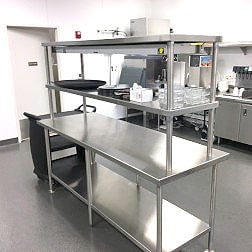
Shelving

Counters & Cabinets
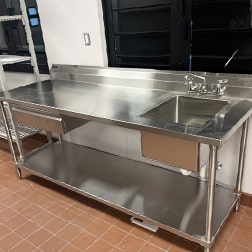
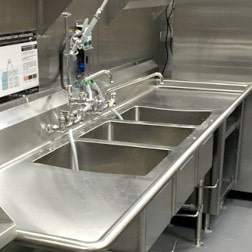

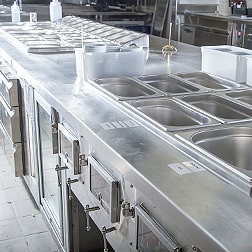
WELCOME TO OUR SHOP
PROJECT DETAILS
MANAGE PROJECTS
Save your current project, or modify your previous projects
CURRENT PROJECT
PROJECT NAME :
PREVIOUS PROJECTS
No Projects found.
Thank you for
creating your project with
North American Kitchen Solutions!
Account Login
Have a design in mind? Contact Us for a Free Consult



Blog Home




Dont see your size or need a custom hood?
Let Us Help You!
Talk to a Specialist
Call Now: 1.800.715.1014