

Pasos para asegurar que su campana extractora funcione de manera eficiente
- Agosto 31, 2026
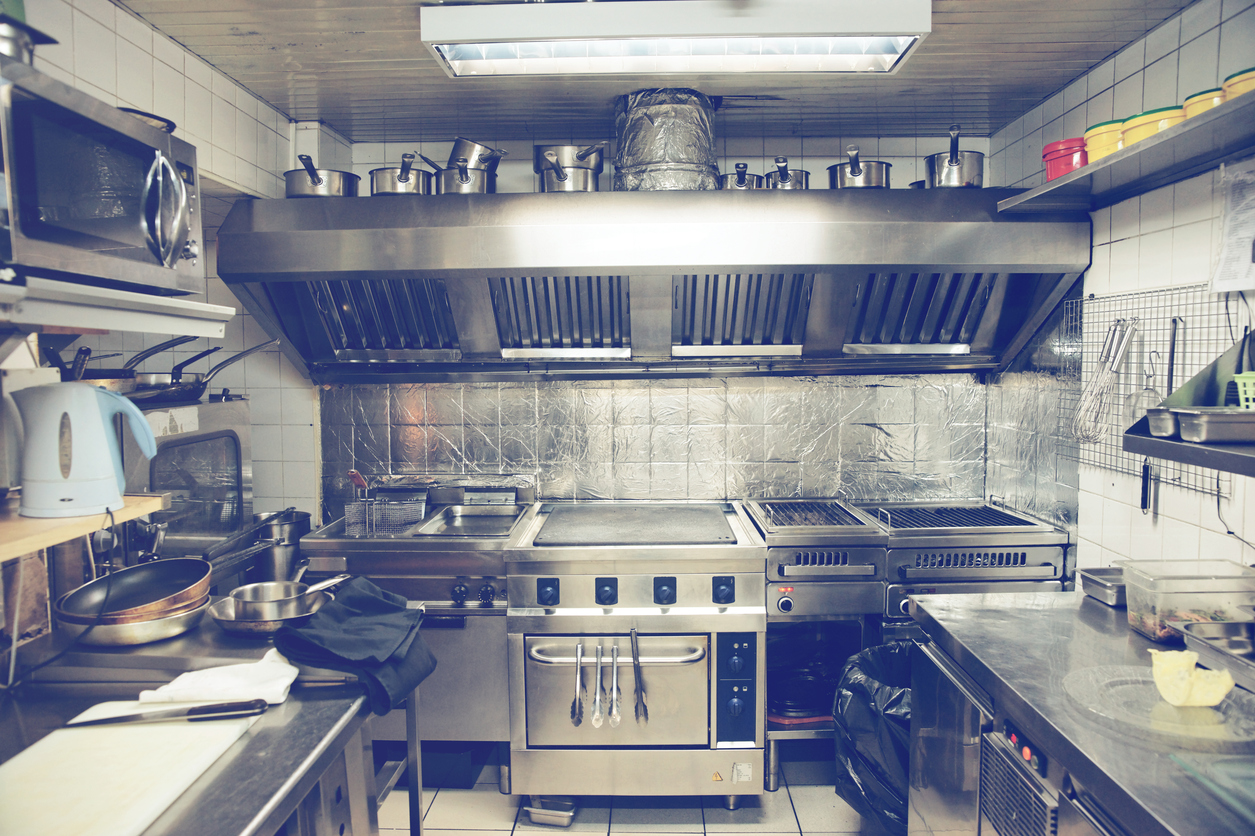
The good news is that most efficiency problems are preventable.
The steps below cover the primary factors that determine how well a commercial exhaust hood system performs, and what kitchen managers can do to address each one.
Optimize Equipment Placement for Maximum Suction
The exhaust hood's suction is only as effective as the airflow it can capture. Follow these best practices:
- Position all cooking equipment directly beneath the hood
- Push equipment as far back against the wall as possible
- Eliminate gaps between equipment and wall to prevent clean air from being pulled in from behind
Proper positioning improves capture efficiency at no cost.
Install a Demand Ventilation System
A Demand Ventilation System (DVS) automatically adjusts exhaust fan speeds based on the volume of cooking activity in the kitchen. During slower periods, the system reduces fan output; during peak service, it increases it. The result is a system that matches actual ventilation demand rather than running at a fixed rate regardless of need. Kitchens that install a DVS typically see energy savings in the range of 30–50%, making it one of the most cost-effective upgrades available for a commercial exhaust system.
Clean and Replace Hood Filters Regularly
Grease filters are the first line of defense in a commercial exhaust system — and one of the easiest components to maintain. Here's what to know:
- Filters capture grease particles before they enter the ductwork
- Clogged or saturated filters force the system to work harder, increasing energy consumption and reducing capture efficiency
- Filters should be inspected regularly and cleaned or replaced based on cooking volume
- High-output kitchens may require weekly cleaning
Keeping filters clear is one of the lowest-cost, highest-impact maintenance tasks in a commercial exhaust system.
Rebalance the System as Needed
An exhaust system running out of balance draws more power and performs less effectively. Rebalancing adjusts airflow distribution across the system to ensure it's operating within designed parameters. Kitchens that have added or changed cooking equipment since installation are particularly likely to benefit from a rebalancing check, as the original system calibration may no longer reflect actual ventilation needs.
Improve Efficiency and Reduce Risk with HoodMart
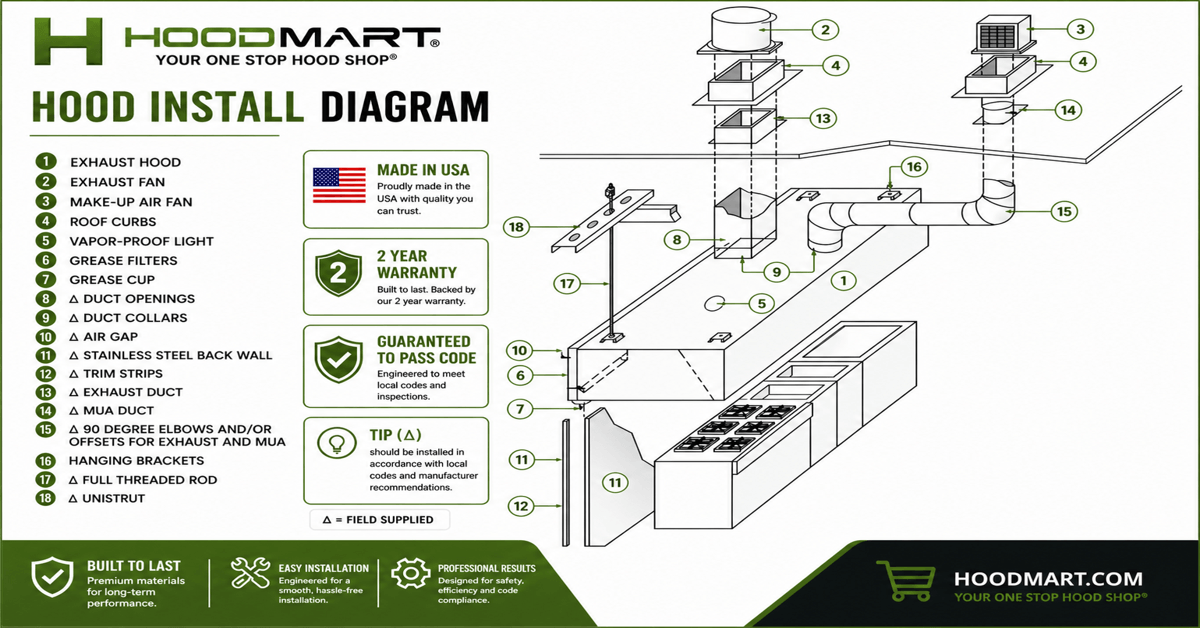
A commercial kitchen exhaust hood that runs efficiently is quieter, cheaper to operate, and significantly less likely to become a fire or compliance risk. The steps above — proper equipment placement, demand ventilation, regular filter maintenance, and periodic rebalancing — address the most common causes of inefficiency and are manageable within a routine maintenance schedule.
Contact HoodMart's ventilation specialists to build a commercial kitchen with a more efficient exhaust hood system.

 CUSTOM FABRICATORRECEIVE INSTANT QUOTE
Loading Fabricator...
PROJECT ID : T626PROJECT NAME :
Already have a project?
Login 0
0
WELCOME
START YOUR PROJECT »
1-2 WEEKS!
CHOOSE CATEGORY
Worktables
Shelving
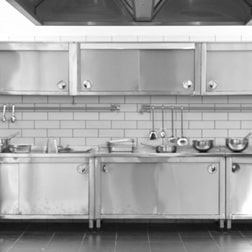
Counters & Cabinets
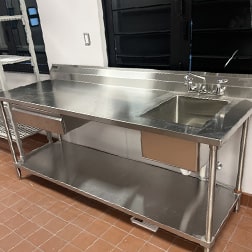
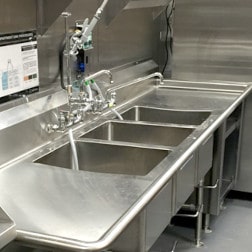

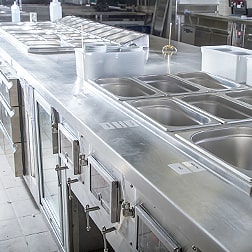

WELCOME TO OUR SHOP
PROJECT DETAILS
MANAGE PROJECTS
Save your current project, or modify your previous projects
CURRENT PROJECT
PROJECT NAME :
PREVIOUS PROJECTS
No Projects found.
Thank you for
creating your project with
North American Kitchen Solutions!
Account Login
Have a design in mind? Contact Us for a Free Consult
Blog Home




Dont see your size or need a custom hood?
Let Us Help You!
Talk to a Specialist
Call Now: 1.800.715.1014